Cultural Translation: Mastering The Art & Science of Giving Effective Feedback Across Cultures
Feedback is one of the most foundational leadership skills, a cornerstone skill the rest of our craft rests on.
Done right, it strengthens relationships and improves performance, retention, job satisfaction, and our sense of contribution and fulfillment. Gallup’s research puts a number on it: 80% of employees who say they received meaningful feedback in the past week are fully engaged (Gallup, “How Effective Feedback Fuels Performance”). Not annual-review feedback. Last-week feedback.
Not done right, it leads to misaligned expectations, communication breakdowns, poor performance, and sometimes even conflict. (Then again, healthy conflict can make our relationships stronger, as Priya Parker argues in her new book The Art of Fighting — her podcast conversation with Brené Brown and Adam Grant dropped this week.)
Oreo, Macaron, or Oatmeal Raisin?
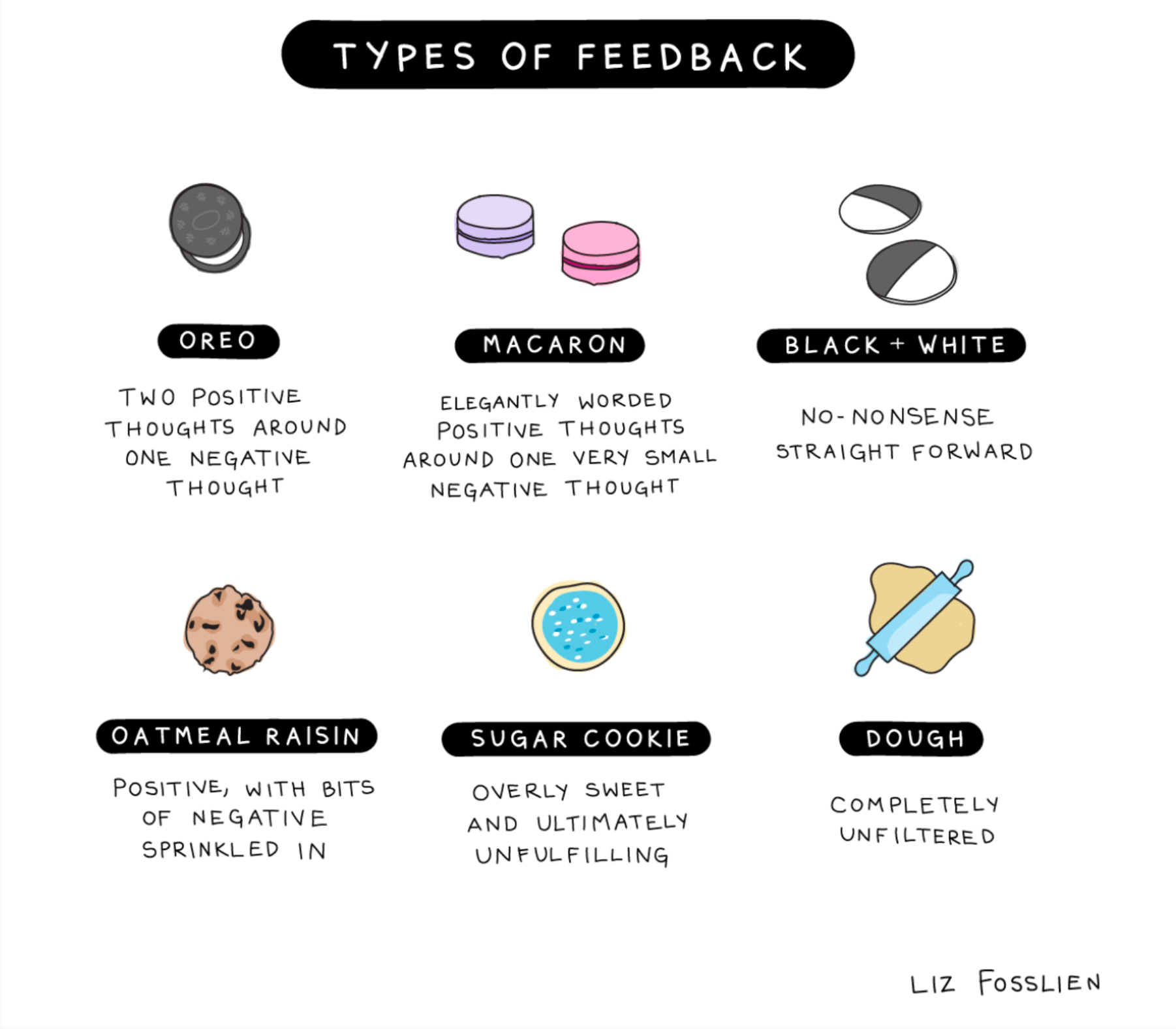
Many of us, especially those trained in the US, were taught the feedback sandwich: a positive comment, the actual feedback, then another positive comment to wrap it up nicely.
Or, if you’d rather get creative, here’s the whole gamut of what that feedback cookie can look and taste like:
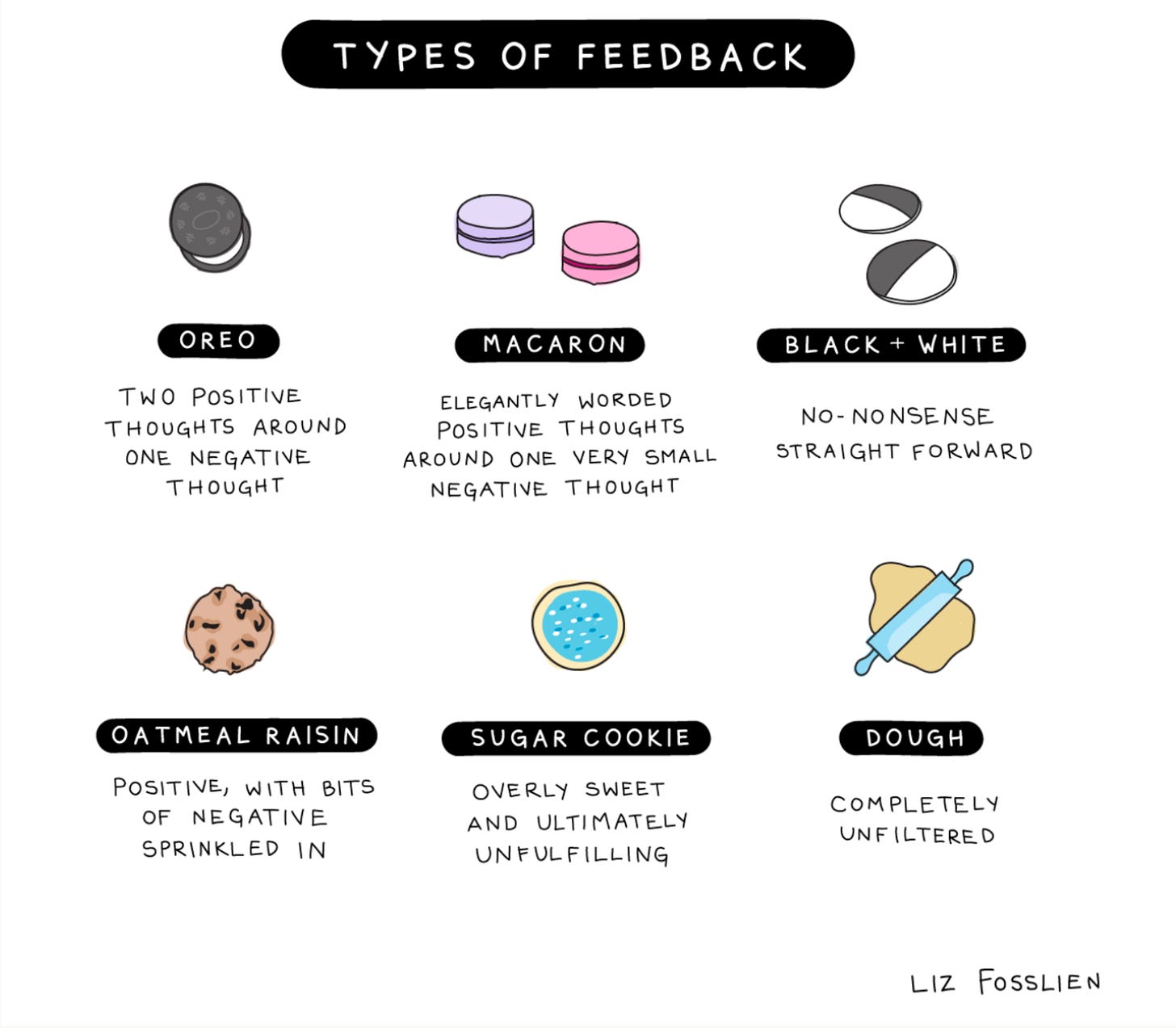
What type do you identify with most? And is this really the most effective way to give feedback?
The week I was told I coached too much
I lived and worked in New York for ten years. In American working culture, “leader as coach” is the gold standard. You don’t tell your team what to do; you ask powerful questions, you empower, you get out of the way. I believed in it. I still do.
Then, a few years ago, I moved to Vietnam and took a director role at a local company — a forward-thinking and innovative one, I might add. I brought the whole playbook with me: powerful questions, autonomy, trust.
After my first week, I was told that my team had a piece of feedback for me. They found me not directive enough.
I was too much of a coach. All in good intention: I was trying to empower them, but what they needed from me was clear, specific feedback: this is what good looks like, this is where you are, this is what needs to change. Without it, they couldn’t get the job done, couldn’t improve, couldn’t perform. My “empowerment” had landed as absence.
That reverse work culture shock was eye-opening for me. The skill I’d spent a decade refining wasn’t wrong. It was uncalibrated, especially in the Vietnamese work context. Same intention, same words, and a completely different landing; because I’d never stopped to ask where the people in front of me sat on the “culture map”, and where I sat. (Per Erin Meyer and her well-researched work)
Politeness is in the eye of the beholder
That question — where do they sit, and where do I? — is the one most feedback training skips. Personality, context, and the relationship all matter; underneath them, cultural underpinnings play an enormous role.
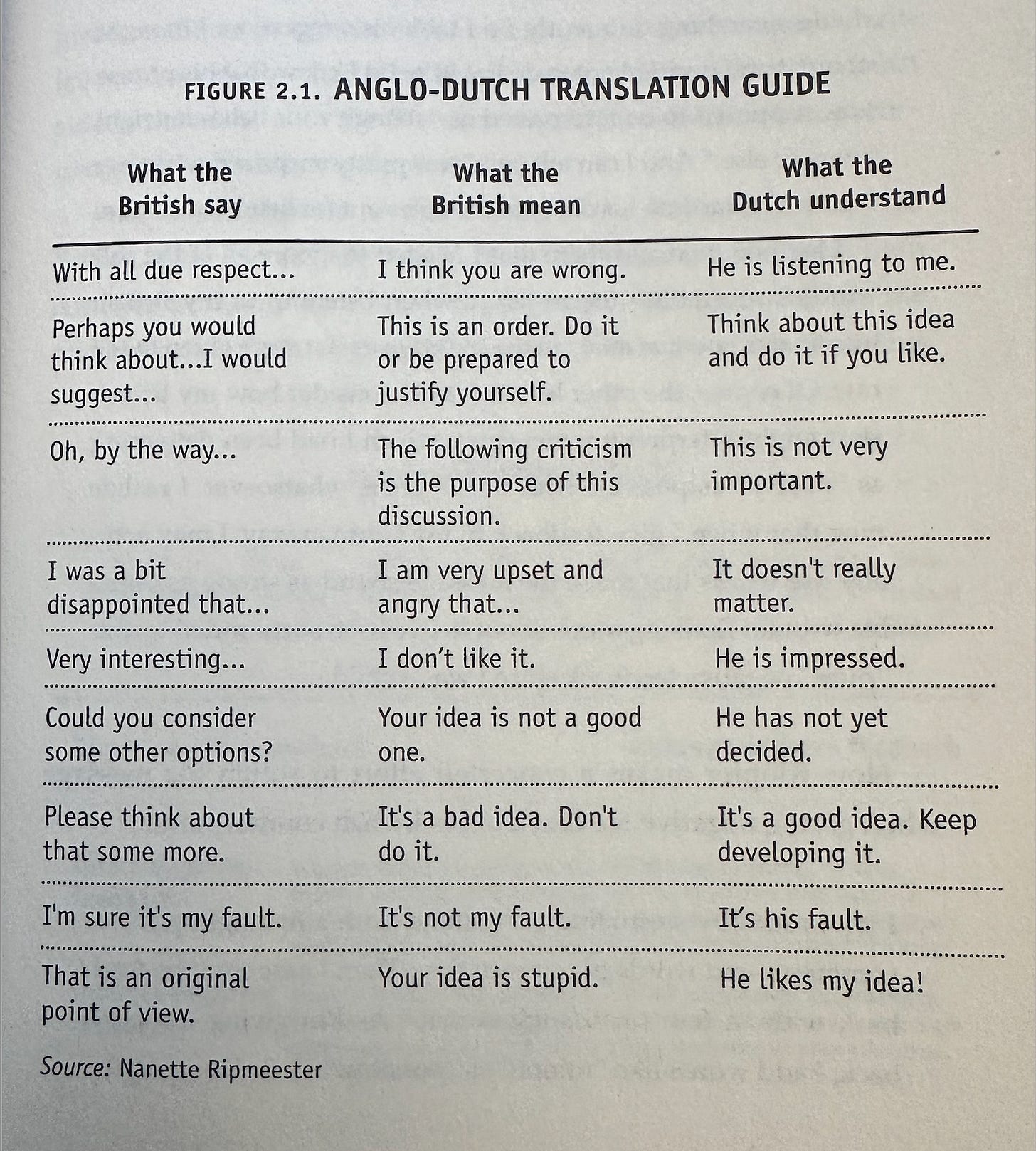
The Dutch are inclined to be very direct with their feedback while staying delightfully polite. The French are known to be generous with criticism and sparing with praise. Germans and Israelis are frank; the Chinese and Japanese tend to give negative feedback only in private, because the cultures prioritize “saving face”. And a Vietnamese team, it turns out, might want their director to be more directive than a New York one would. (Erin Meyer maps all of this beautifully in The Culture Map.)
Which means the question is never just “how do I give feedback well?” It’s “how do I give feedback well to this person, from this culture, in this relationship?”
Give it a listen: the Cultural Translator
Give this Empower Circles episode a listen. I sat down with Martin Z.H. Zhang, a German-born Chinese Global Business Director at leading brand agency Jung von Matt, who has helped bring IWC Schaffhausen and Borussia Dortmund to Asia, and The Pokémon Company and Nintendo to Western audiences.
“Made in Germany. Designed by China.” Born and raised in Hamburg, Martin has lived in Shanghai for over ten years, and German and Chinese colleagues alike come to him as the “cultural translator” who helps cross-cultural, cross-functional teams actually collaborate.
Empower Circles Episode 3
Read the editorial: Martin Zhang - Made in Germany. Designed by China.
Let’s practice together
On Thursday, September 17th (3:15pm Paris/9:15am New York/8:15pm Saigon), I’m hosting a free 30-minute lightning session on Giving Effective Feedback Across Cultures: how to adapt to the feedback culture of the person or group in front of you, and say the hard thing so it lands — from Saigon to Stuttgart, New York to Jakarta.
Bring one piece of feedback you’ve been sitting on. You’ll leave with it adapted and rewritten in three lines.
Register for the lightning session →
Also next Thursday September 17th (4:00pm Paris/10:00am New York/9:00pm Saigon), I’m hosting a second lightning session Discover Your Leadership Story with our friends at learning platform Maven. Come with a few story seeds to start shaping a leadership story you can start using in your high-stakes meetings, podcasts, and for your personal brand.
Recording of the last session here, and some opportunities to work together with me, and our curated cohort of global leaders, builders, and creators.
Say the hard things. Say it well.
Henry