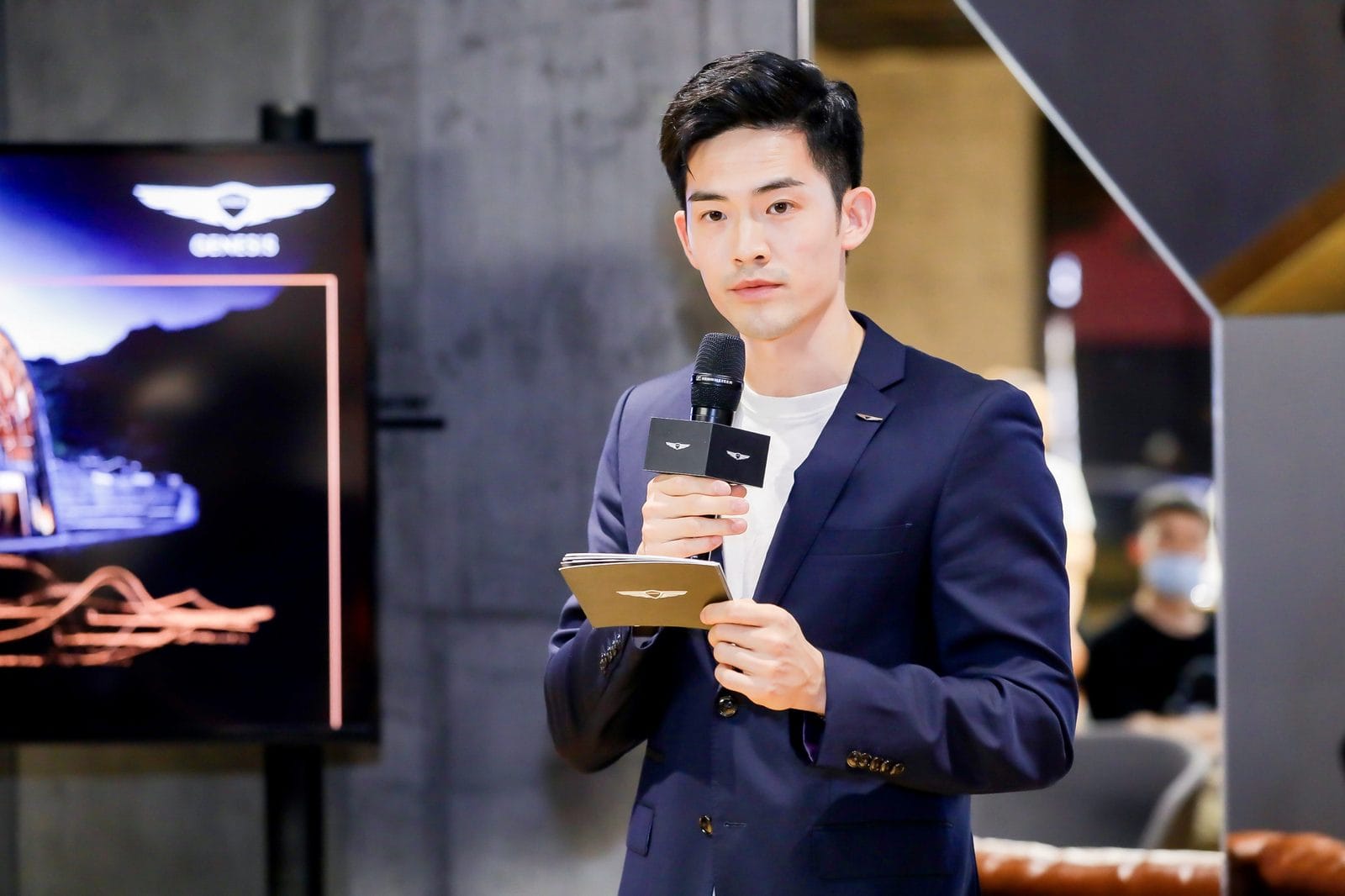
MARTIN ZHANG — Made in Germany. Designed by China.
On German-Chinese identity, fandom communities, and being local in both Hamburg and Shanghai.

Made in
Germany.
Designed
by China.
Martin Zhang on growing up between two worlds, being local in both Shanghai and Hamburg, building fandom across East and West — and why the "in-between" is not a compromise. It's a superpower.

At a school festival in Hamburg, a young Martin Zhang watched his classmates lay out the expected spread — potato salad, sausages, the staples of a German childhood. Then his mother's dishes arrived. And they were gone first.
It was a small moment. But it lodged itself somewhere — not as a wound, more as a compass. The kid whose food was "different" would spend the next two decades turning that difference into a career, a philosophy, and a personal brand distilled into six words.
Made in Germany. Designed by China.
It's funny. It's poignant. And for Martin Zhang — born in Hamburg, raised between two cultures, living in Shanghai for the past decade — it's the most honest thing he knows how to say about himself.
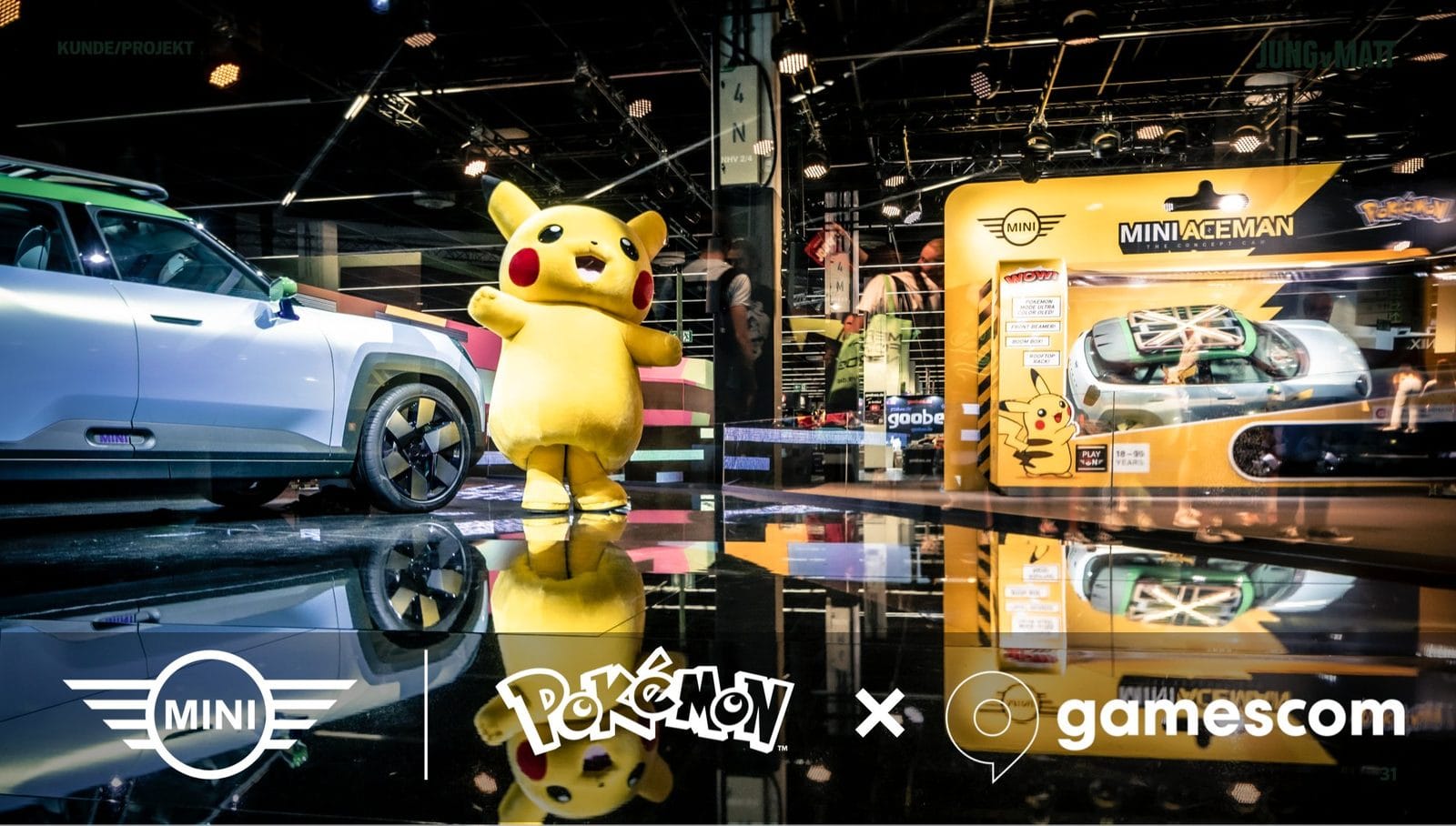
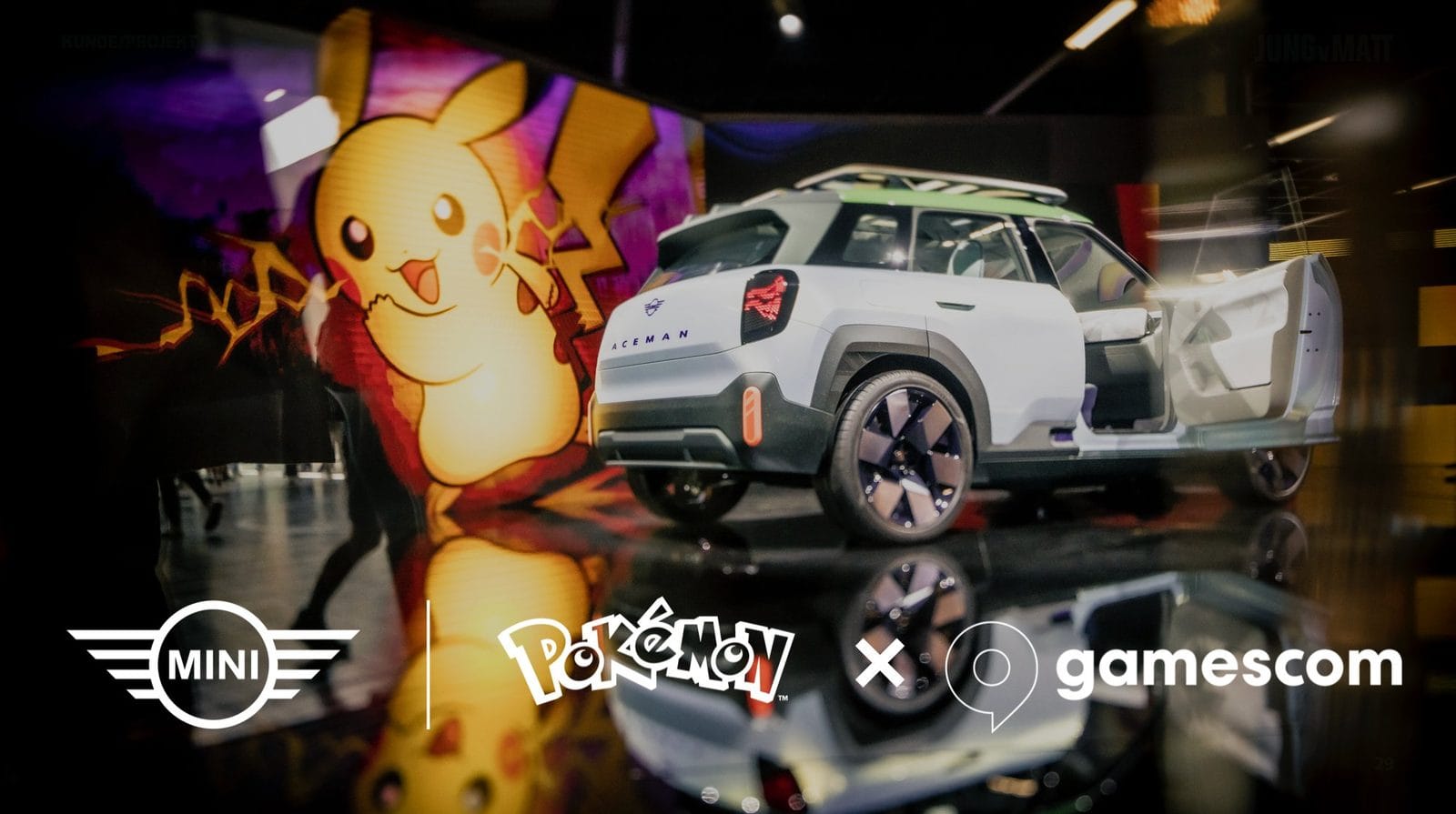
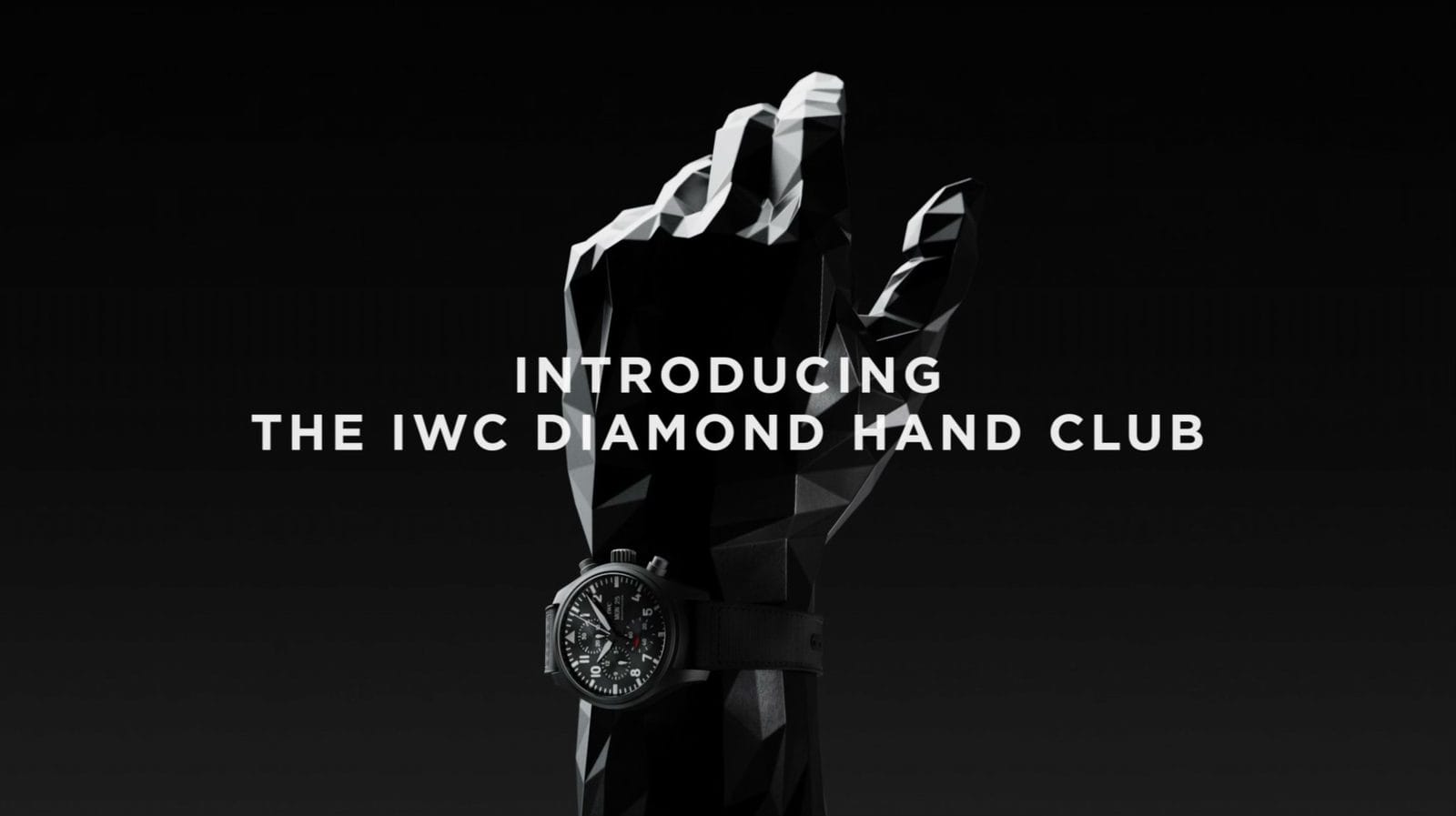
Today, as Director of Culture Marketing & New Business at Jung von Matt China, Martin works at the intersection of global brands, digital pop culture, and fan communities — helping the likes of Pokémon, Nintendo, and IWC Schaffhausen connect with new potential consumers and communities. Before that, he led Borussia Dortmund's market entry into China.
But behind the brand names and partnership decks is something more personal: a man who was once a professional badminton athlete, who has modelled, who has built communities from scratch — and who has spent his entire life in the space between German precision and Chinese adaptability. He learned that this space is not where you get lost. It's where you become most yourself.
It was never either/or. It was always and.
Martin Zhang — on growing up German-born Chinese


"Made in Germany, Designed by China." Where did that phrase come from — and what does it really mean?
Made in Germany is already a brand in itself — precision, craftsmanship, high quality. At the same time, "Made in China" has carried a very different historical connotation. But that perception is being rewritten in real time. In EVs, in design, in tech — China is leading in ways that surprise people who aren't watching closely.
I'm German-born Chinese, so I try to combine the best of both worlds. Germany gives me the structure, the rigor, the standards. China gives me the creativity, the speed, the cultural instinct. The phrase captures that — it's funny and catchy, but it's also genuinely what I stand for.
When did you first feel the weight of living between two cultures?
There wasn't one defining moment — it happened gradually. As a child, you just play. You don't register differences. But I remember a school festival where everyone brought food to share. My mom brought Chinese food. And it was the most popular thing there.
I was proud. But I also felt something shift. We are different.
My parents were intentional about keeping both sides alive. Every summer, my sister and I traveled to China to stay with our grandparents. They also made us attend Chinese school on Sundays while every other kid was free. We were furious at the time. In hindsight, it gave us a foundation that money can't buy.
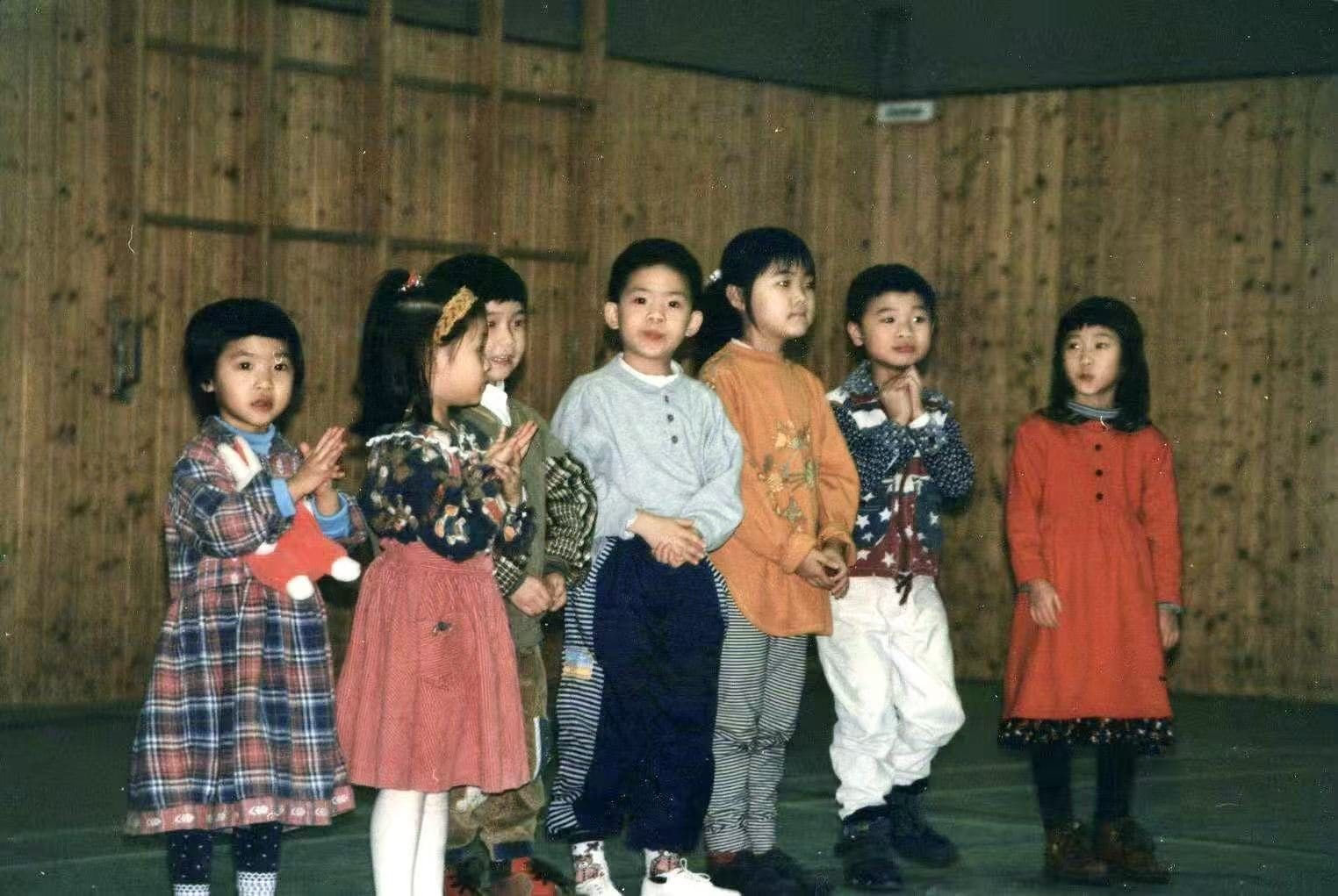
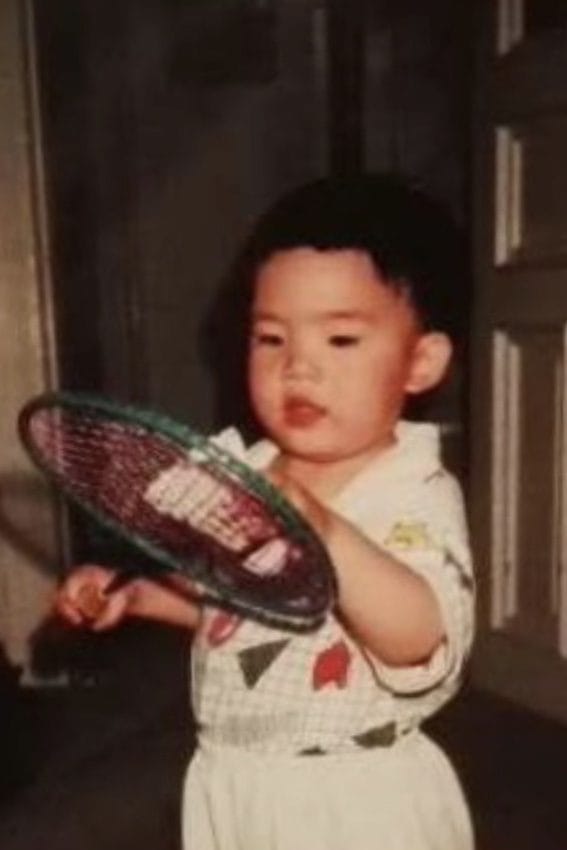
Everybody is free on Sunday, and we have to go to school. We were mad. Now? I'm deeply grateful.
Martin Zhang
You studied in Bayreuth — a small German town. What happened to your sense of self there?
Bayreuth had about 15,000 students. Coming from Hamburg, it felt small at first. I overcorrected — leaned hard into being from Hamburg. I didn't want to be put in a box.
But by my final year, something shifted. I started meeting other students with international backgrounds. People living in between spaces, just like me. And I realised I had been avoiding the very thing that made me interesting.
That's when I started fully embracing both sides. Not hiding. Not performing. Just being the full version of myself.
You've lived in Shanghai for ten years. Is it home — even though you weren't born there?
Shanghai is home. That's my first answer, without hesitation. And so is Hamburg. I feel privileged to say that I'm local in both cities.
I've spent a month during summer in Hamburg the last two years to reconnect. And I always think I want to stay. But after a month, I find myself looking forward to flying back to Shanghai. There are people there I haven't seen. Things are happening.
But here's the interesting thing: ten years in Shanghai, and I still don't fully feel Chinese. I feel German when I'm there. When I go back to Hamburg, I feel Chinese. The identity shifts with the context. Maybe that's what it means to be a hometown foreigner — you carry your otherness with you wherever you go. And at some point, you stop seeing that as a problem.
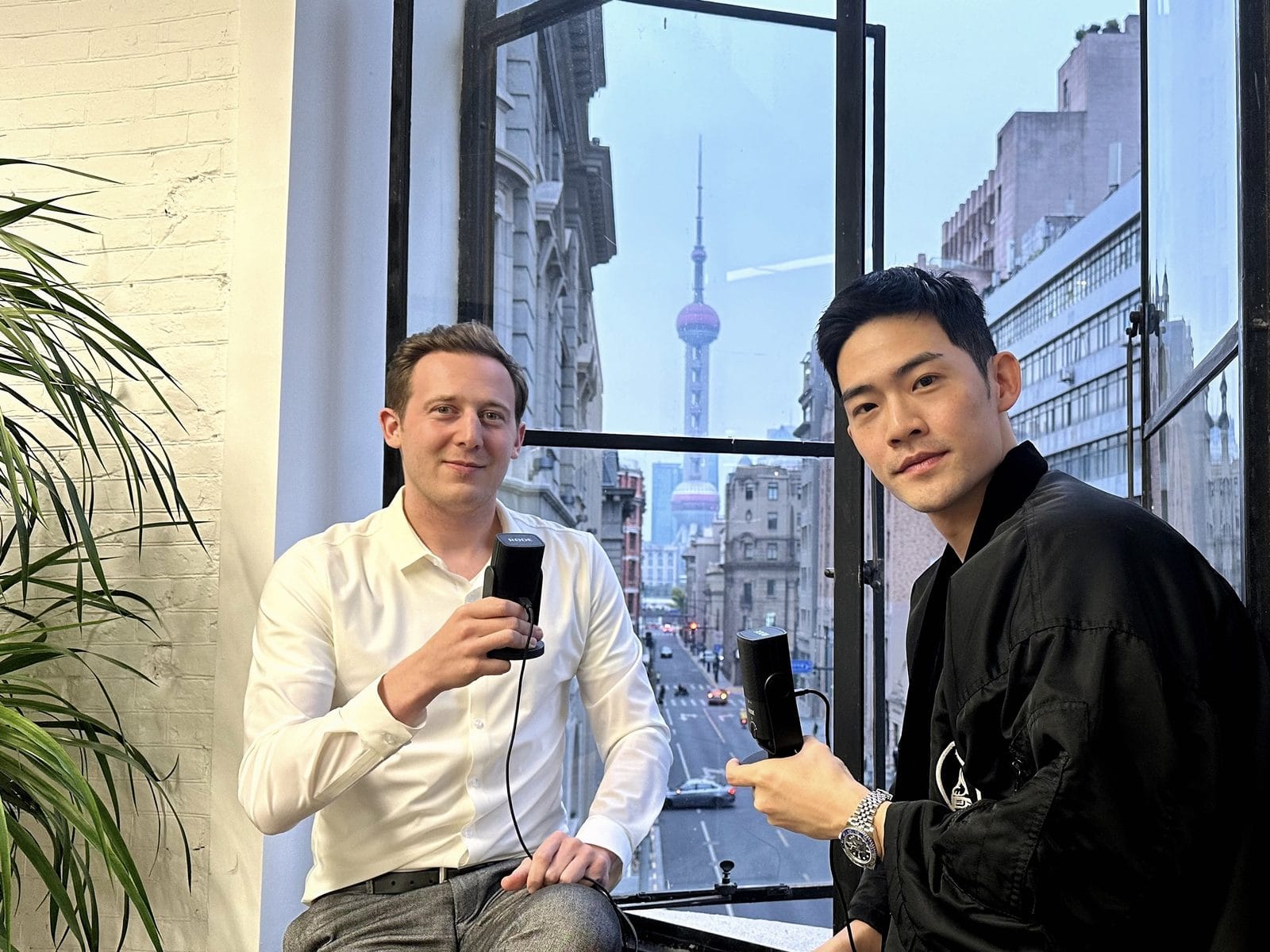
Ten years in Shanghai — and I still feel German there. In Hamburg, I feel Chinese. The identity shifts. Maybe that's what it means to be a hometown foreigner.
Martin Zhang — on home, identity, and the in-between
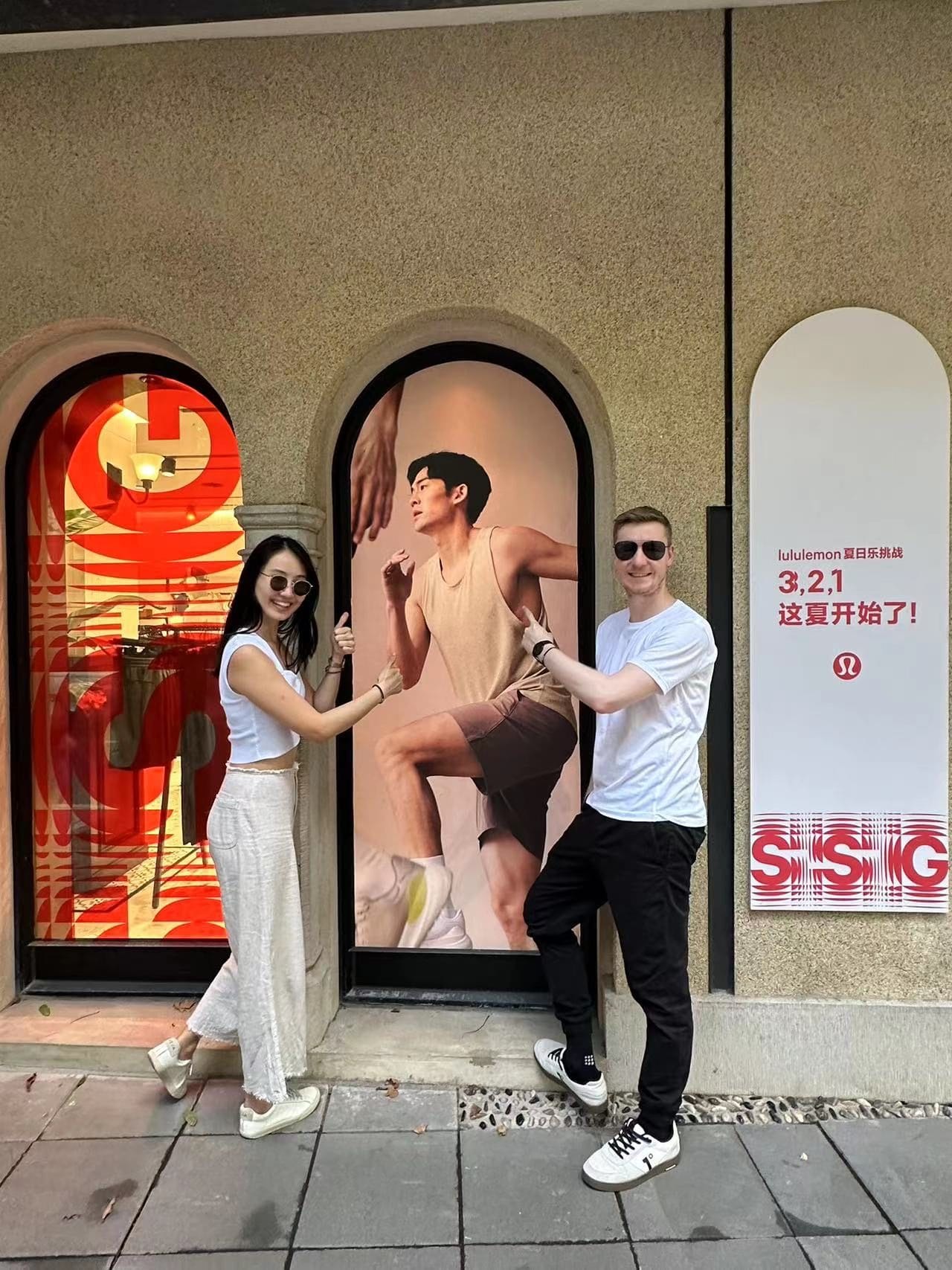
How does a fandom community actually form — and why does it matter for brands?
Fandom forms around shared language. If you know, you know — and if you don't, you don't. An inside joke you don't have to explain. A character who carried you through a difficult year.
Look at One Piece. Luffy has this enormous dream, a crew of completely different characters, each with their own story. Together they make the dream work. That's not just an anime. That's a framework for how communities could be built.
I grew up reading Dragon Ball Z mangas, playing Pokémon, watching animes like One Piece and Naruto. These weren't just entertainment — they were emotional scaffolding. And the interesting thing: now those people who grew up with anime & manga, who maybe even were called nerds back in the day, are now adults with spending power and in decision-making positions. Brands that understand this have an enormous opportunity.
What's the real difference between a community and an audience?
An audience is passive. They sit and consume. A community participates, responds, co-creates.
The brands winning right now treat their fans as co-owners of the story. Not "here's our message, buy our product" — but "what do you want? How do we build this together?" Fans don't want to be extracted from. They want to be seen.
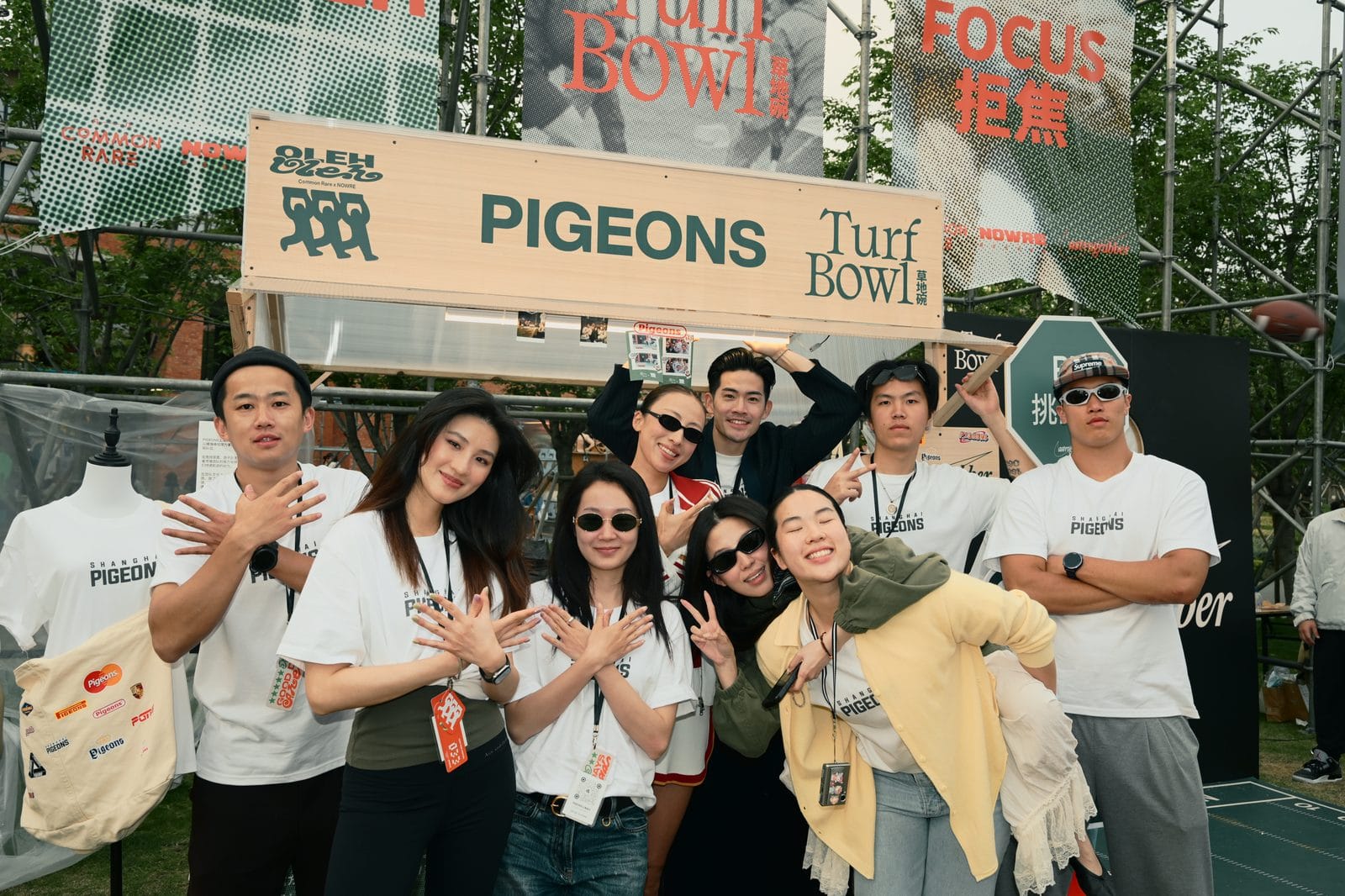
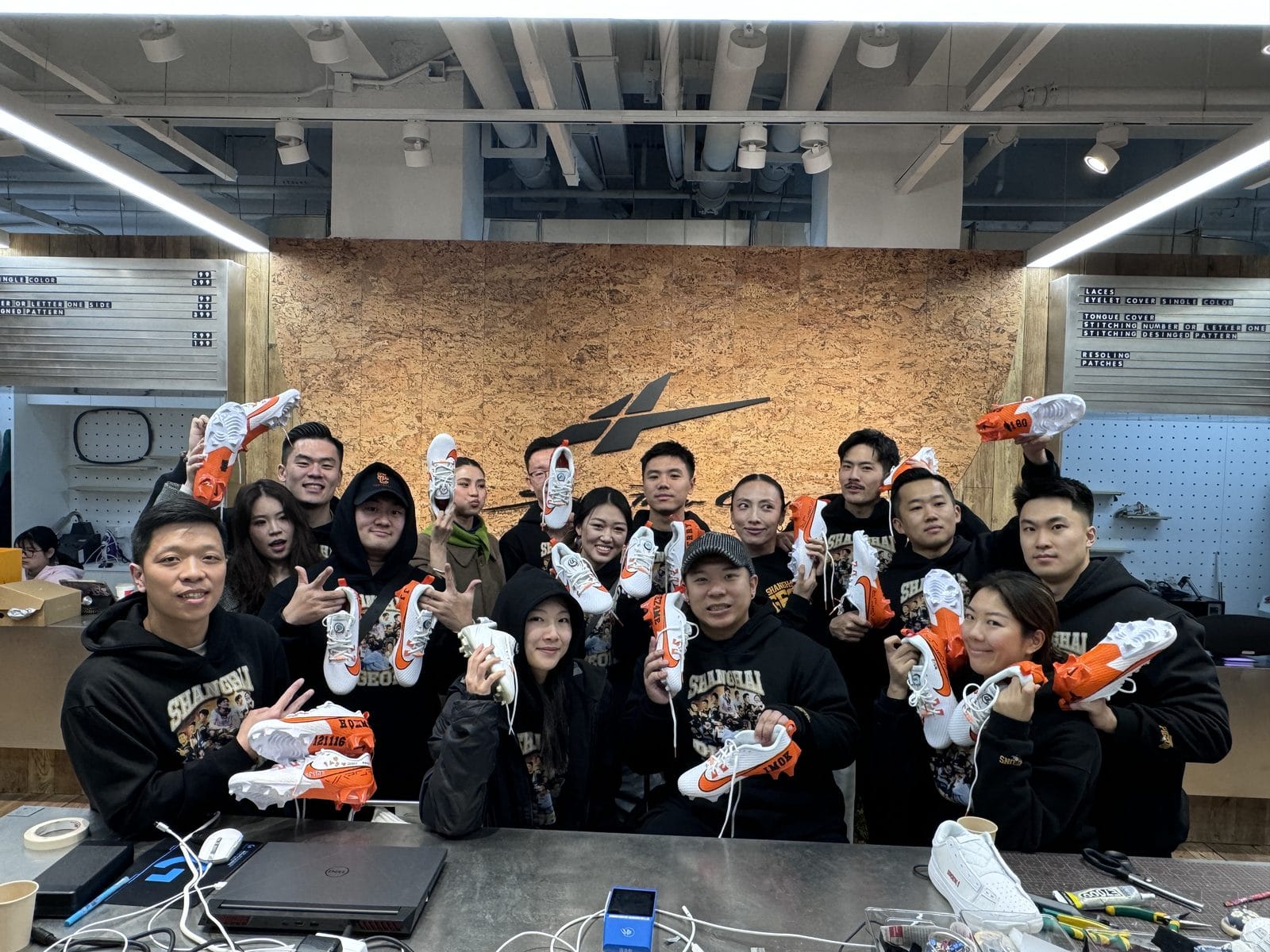
Look at pickleball in Vietnam for example. Tennis players laughed about it in the beginning. Now it's one of the fastest-growing sports in the country. Low entry barrier. Rules easy to understand. Shared language from day one. Making (mass) participation the entry door. Social event offerings are so common in pickleball. Sense of belonging that kicks in immediately. That's not a sport strategy. That's a community strategy.
Some communities you build. Others you are born back into.
During the Dragon Boat Festival we celebrate — watching, and sometimes racing — with family, and we eat zongzi (粽子), sticky rice dumplings wrapped in bamboo leaves. I never had the chance to eat authentic zongzi growing up in Germany. Getting to celebrate it now, back in touch with the roots, feels like a blessing.
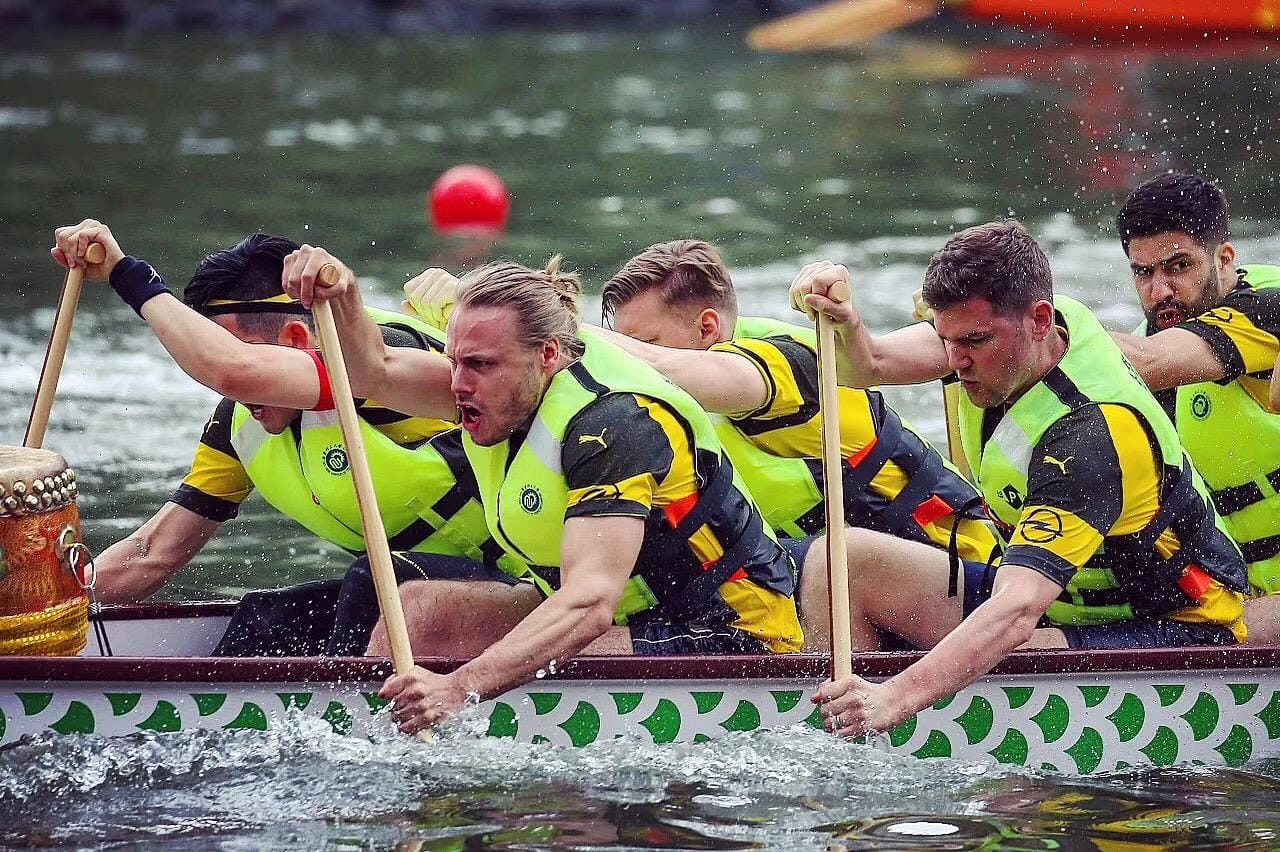
The few times we actually raced, we took it seriously — training twice a week, early mornings before work. Absolutely necessary, if you do not want to drown. A dragon boat is the perfect metaphor for a team: it is only as strong as its weakest link. One person can be the strongest rower on the boat, but if they are out of rhythm with everyone else, the boat literally drowns. Different roles, clear communication, one tempo. It builds team spirit — and a real sense of community pride in being chosen to represent your team, your district.
A dragon boat is only as strong as its weakest link. Row out of rhythm, and the boat literally drowns.
Martin Zhang — on team, rhythm, and belonging
You led BVB's expansion into Asia. What was the vision?
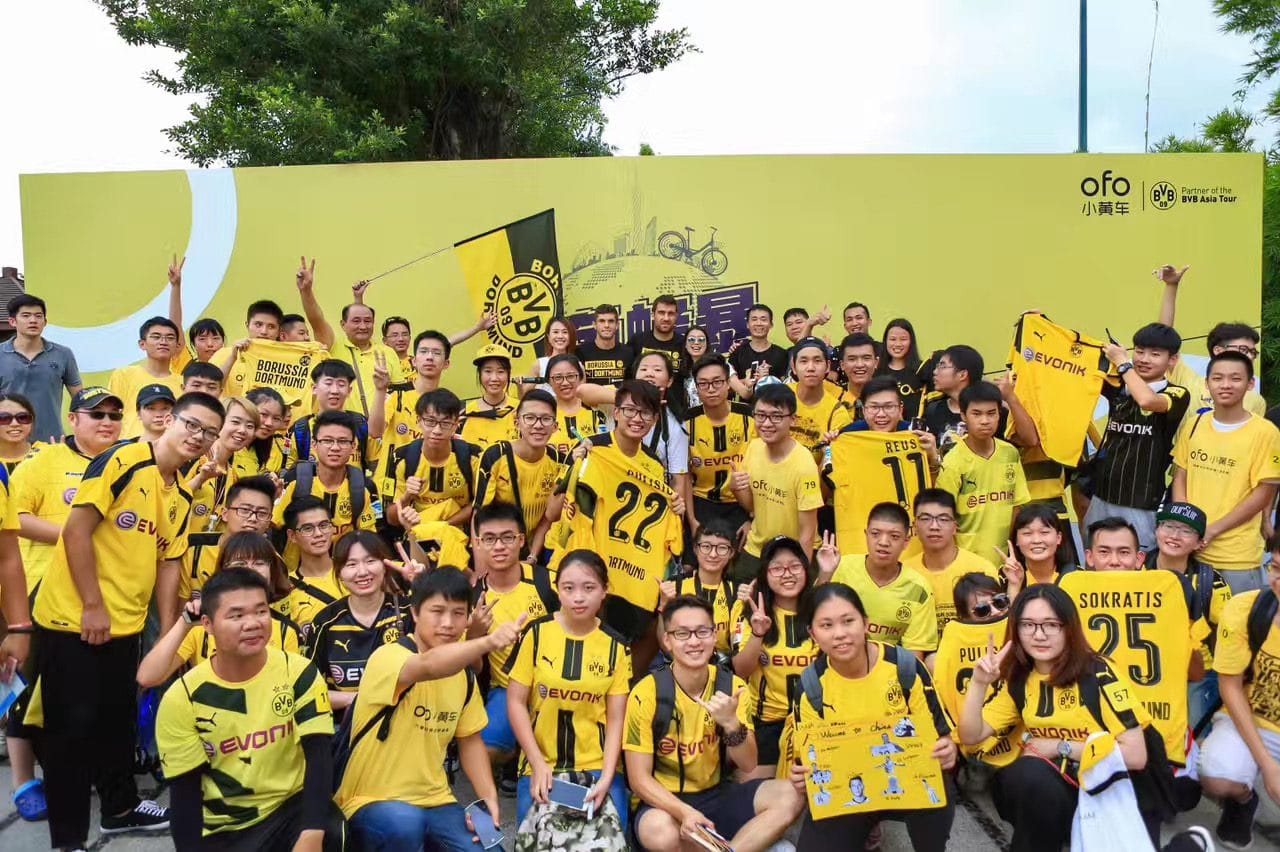
BVB had tested the water — friendly matches in Japan and China in 2016 & 2017. The question became: how do you build a genuine fanbase in a market where most people will never experience a matchday in the stadium?
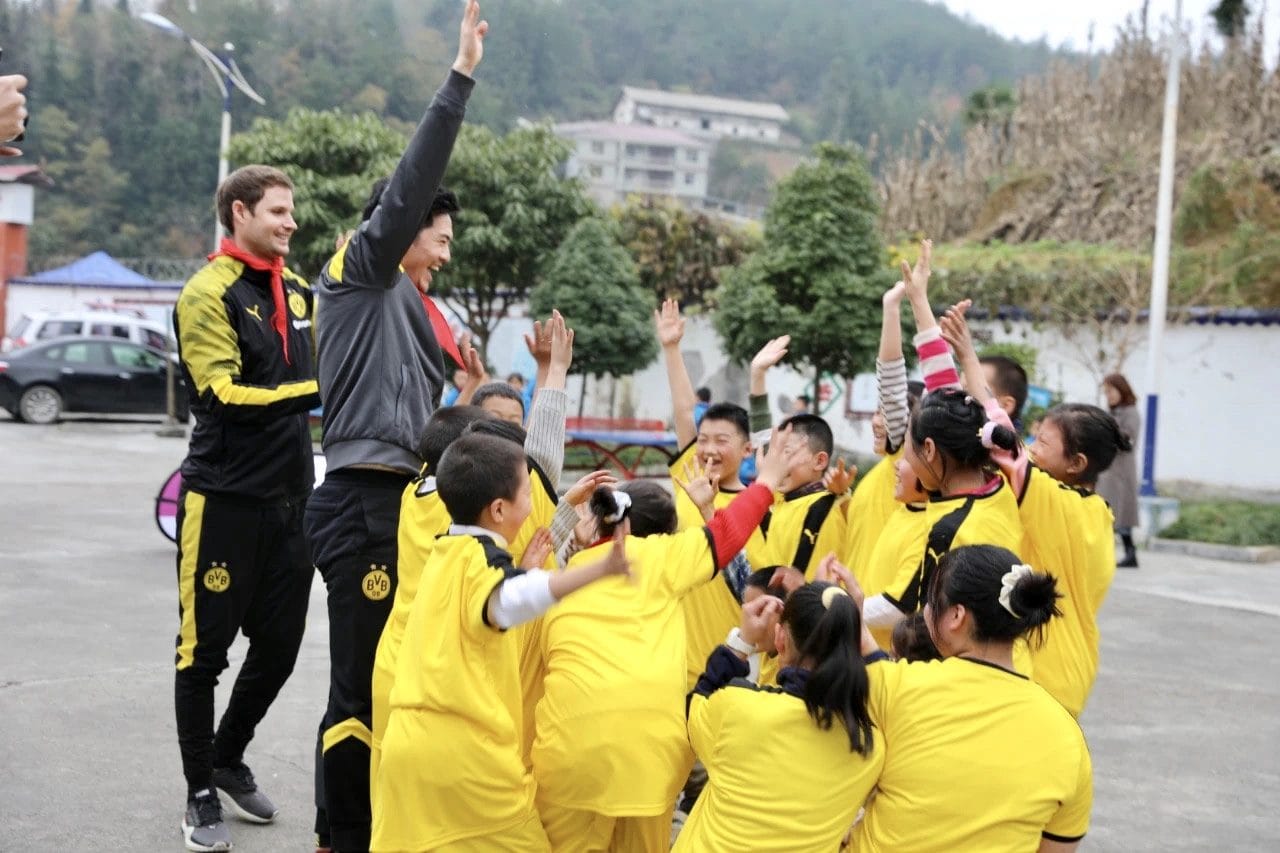
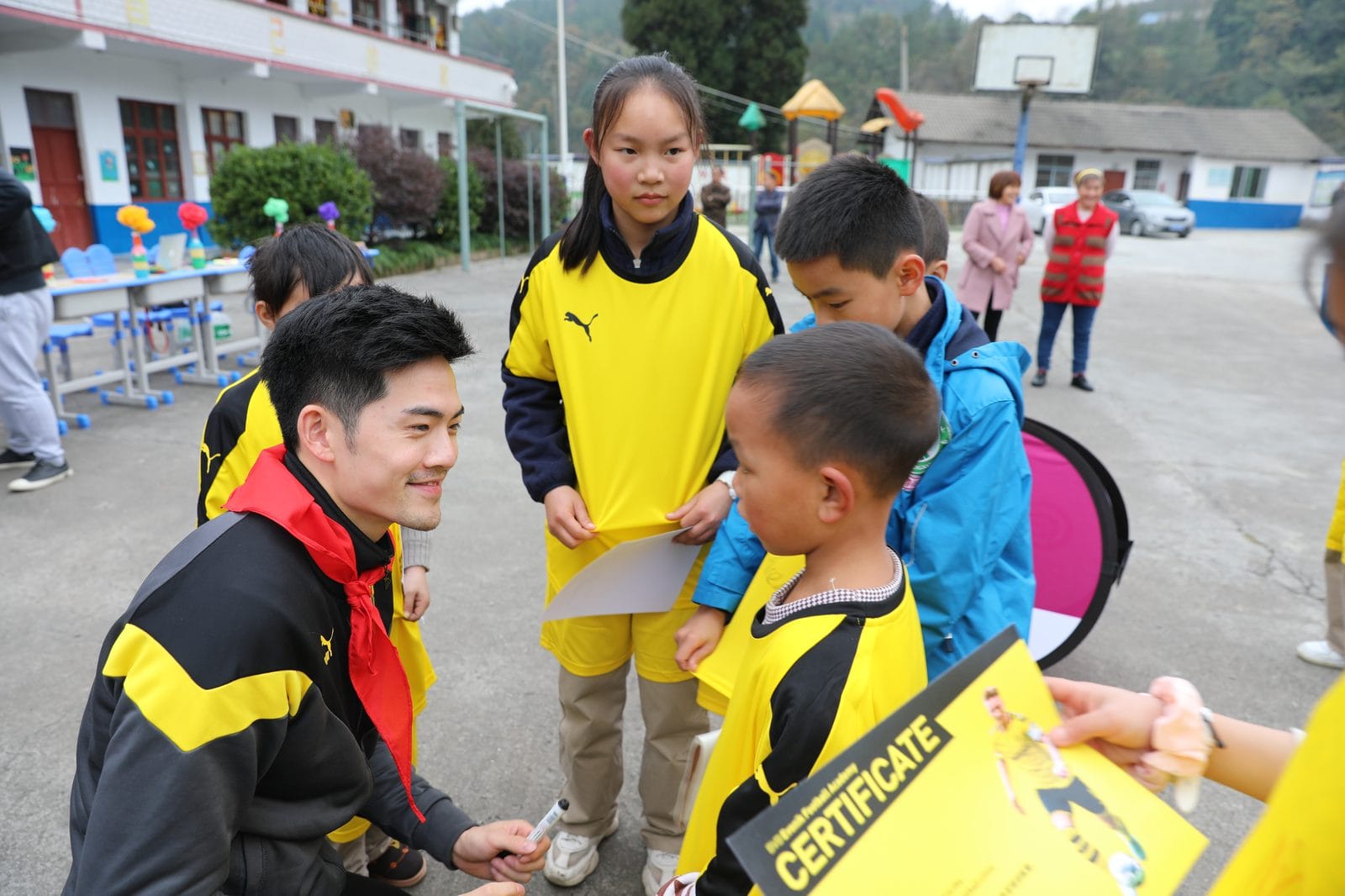
You build digitally first, then physically. You create content that makes someone in Shanghai feel connected to Dortmund. You partner with local brands who understand the culture. You go into communities — schools, grassroots clinics — and you give kids a reason to care. Asia for European football clubs is a genuine blue ocean — every fan you earn is a fan you didn't have before. It's a long game. But it's the right game.
The things we think make us strange are usually what make us useful.
Martin Zhang — on cross-cultural leadership
What does cross-cultural leadership actually look like in practice?
There's a saying: a person with high IQ may not have high EQ. But a person with genuinely high EQ won't have a low IQ. Cross-cultural leadership is fundamentally EQ work. It's about curiosity over judgment.
When someone asks "where are you really from?" — that question can land very differently depending on who's asking and why. I used to be defensive about it. Now I see it as a conversation starter. Try asking "where are you local?" instead. A chance to shift something in someone's perception.
My ability to move between East and West — to understand what BVB means in Germany and what it could mean in Shanghai — that's not a background quirk. That's the skill. The in-between is not the compromise. It's the advantage.