TED OSIUS — The Bridge Is Built From Respect Outward
Ambassador Ted Osius on listening, trust, love, purpose, and why the dinner table is the oldest school of leadership.

"Nothing is impossible" — so says the title of his book, and so says his life. In the inaugural episode of Empower Circles, Ambassador Ted Osius — diplomat, author, bicycle-riding bridge-builder, and founding member of the 10 Nexus Wisdom Council — sits down with Henry V Bao Lachaux in our Sài Gòn studio. This is the story of a man who spent thirty years proving it, one act of listening at a time.
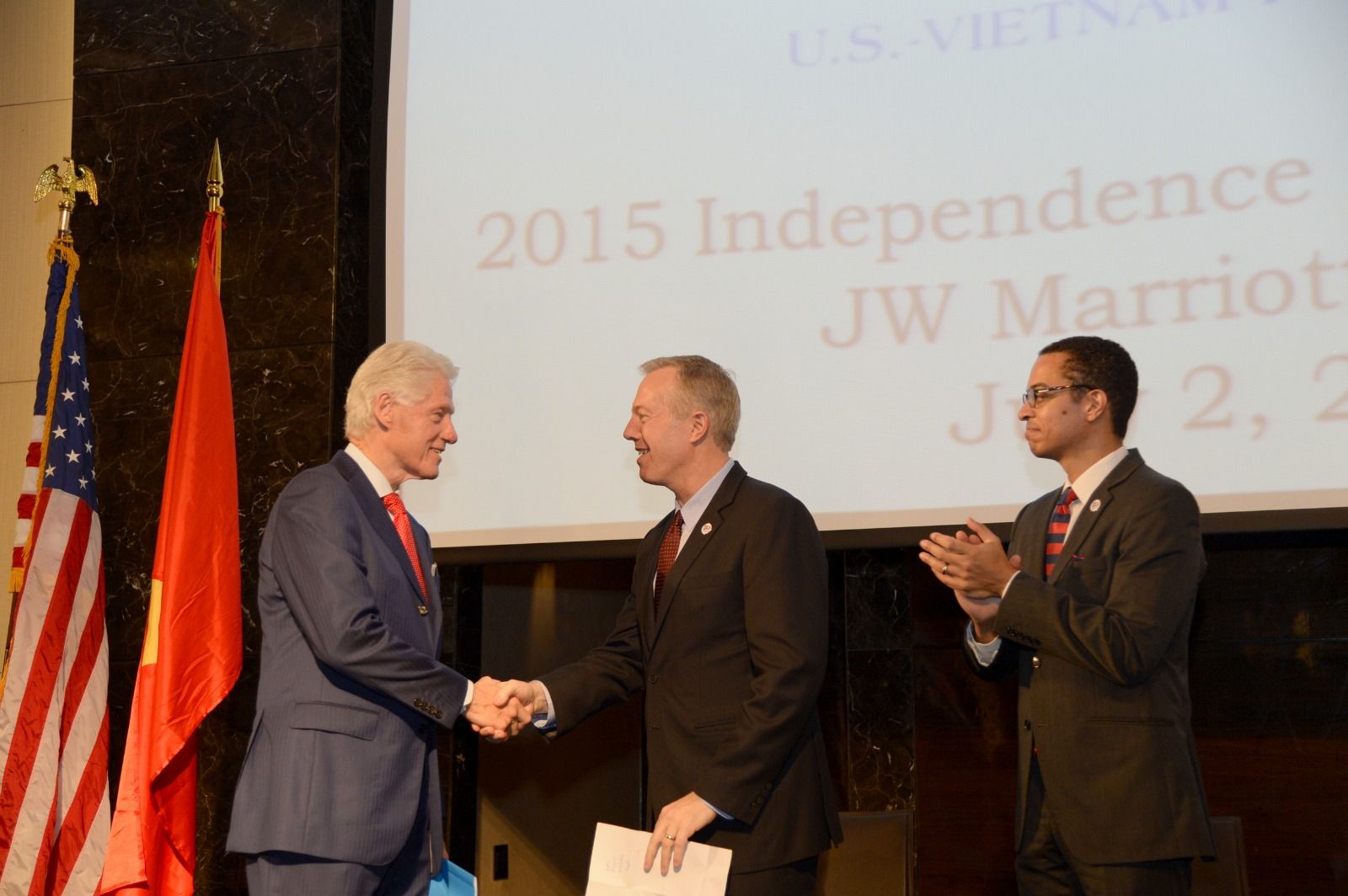
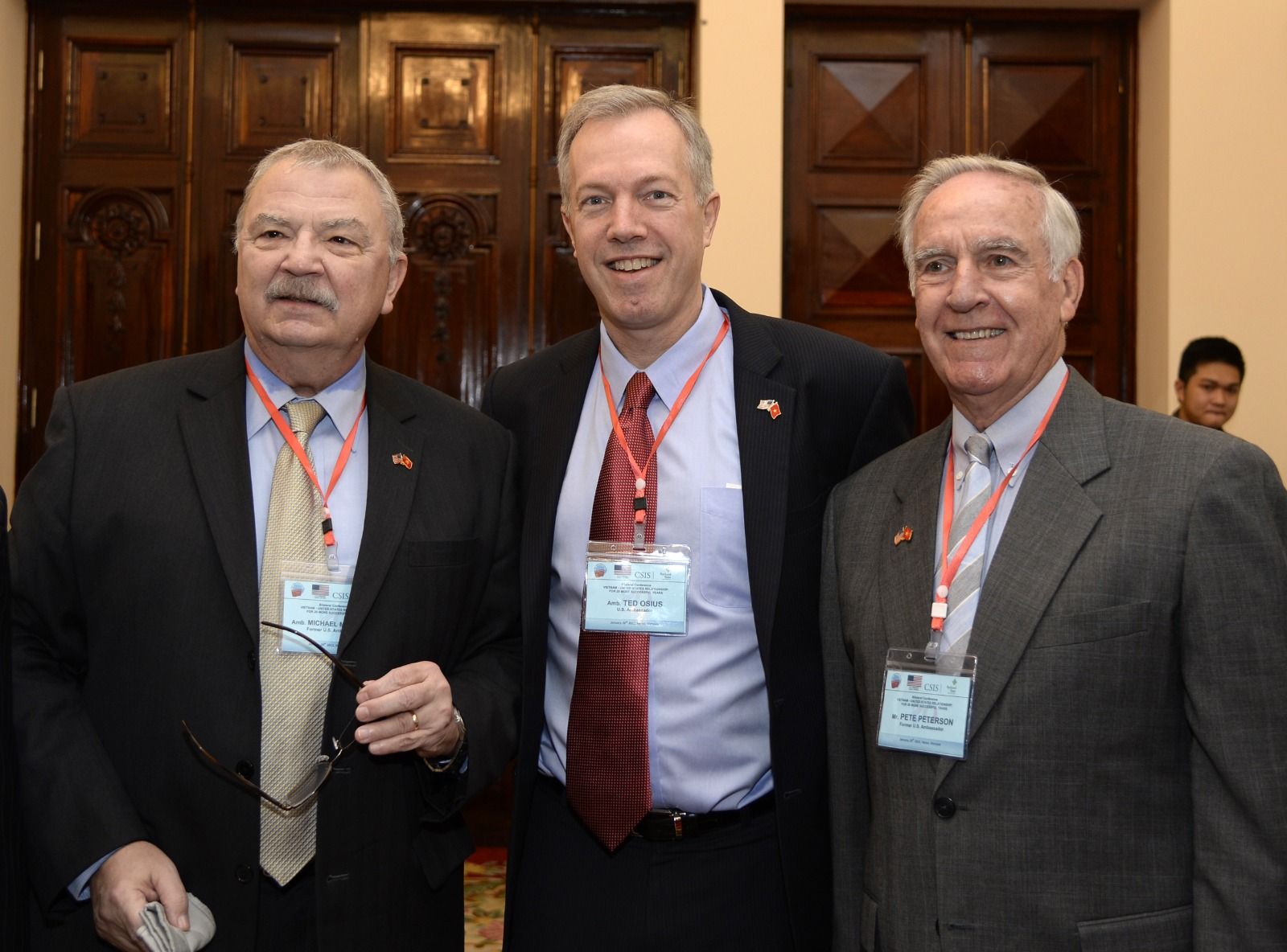
Ambassador Ted Osius is a founding member of the 10 Nexus Wisdom Council — a circle of diplomats, educators, artists, and cultural leaders who help steward the vision and values of 10 Nexus Global as a lifelong learning community for cross-cultural leaders.
The Language Is the Culture
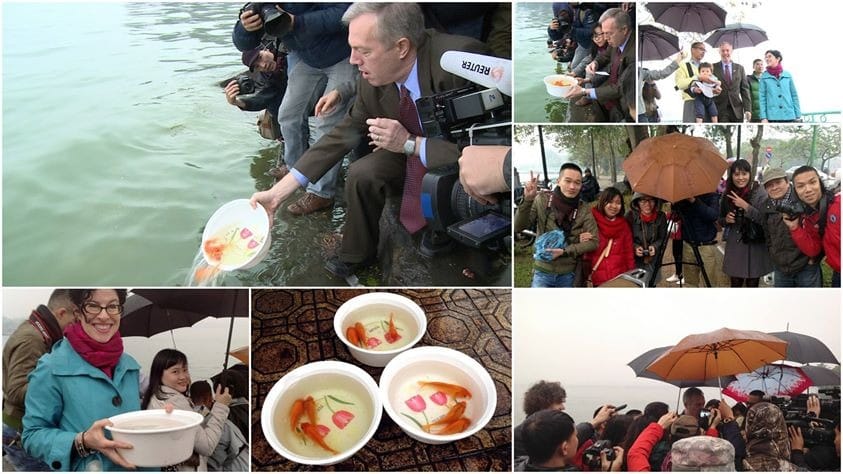
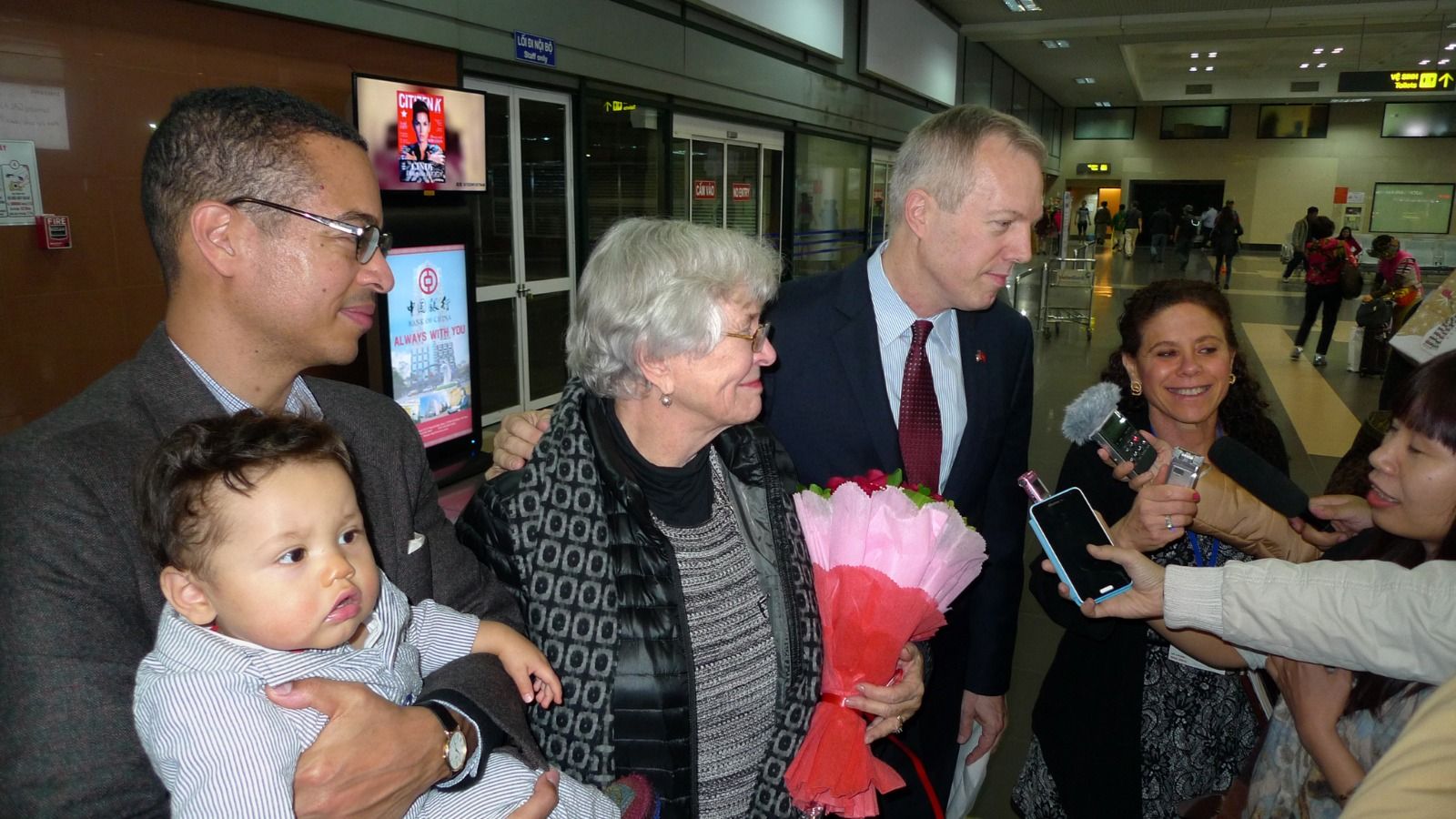
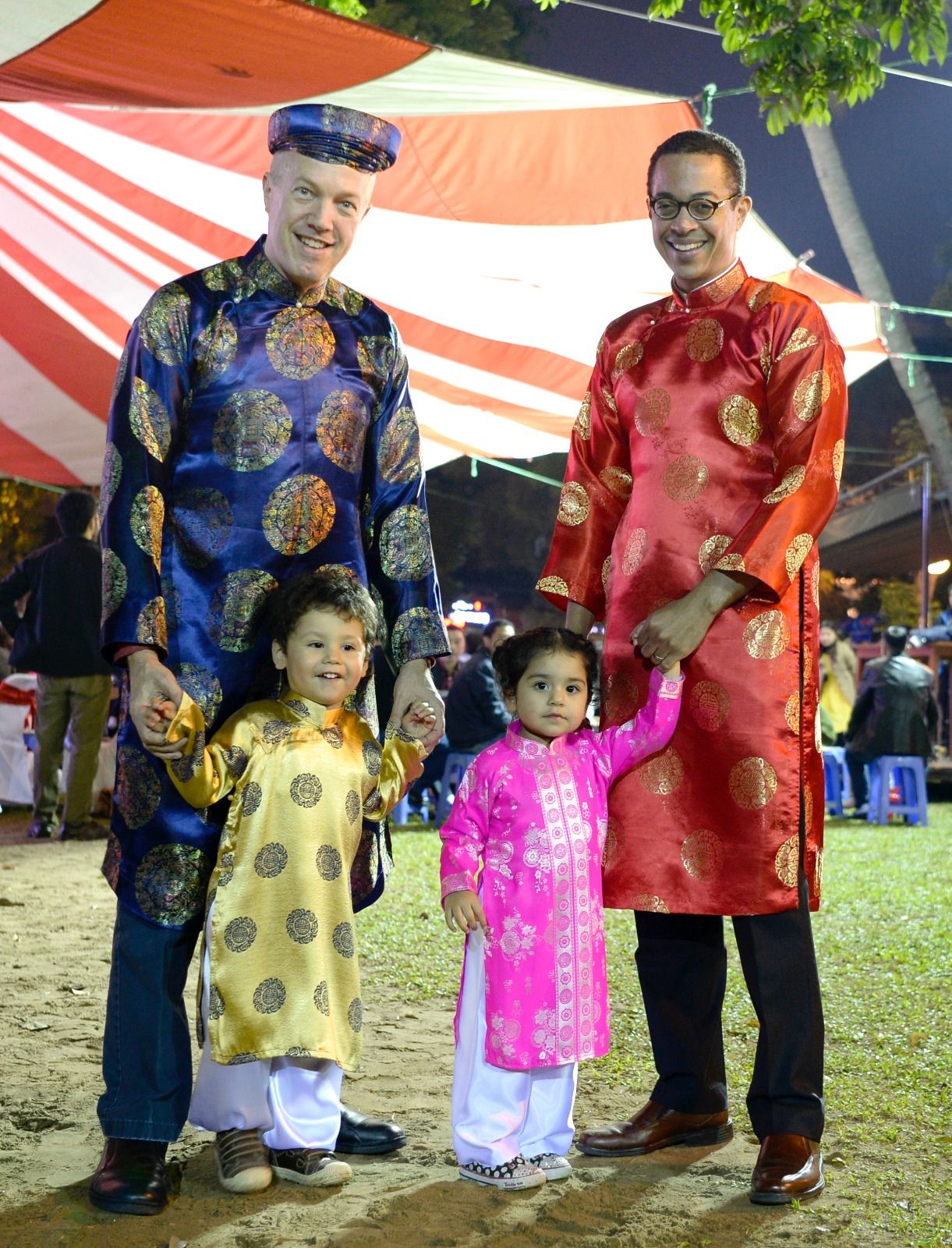
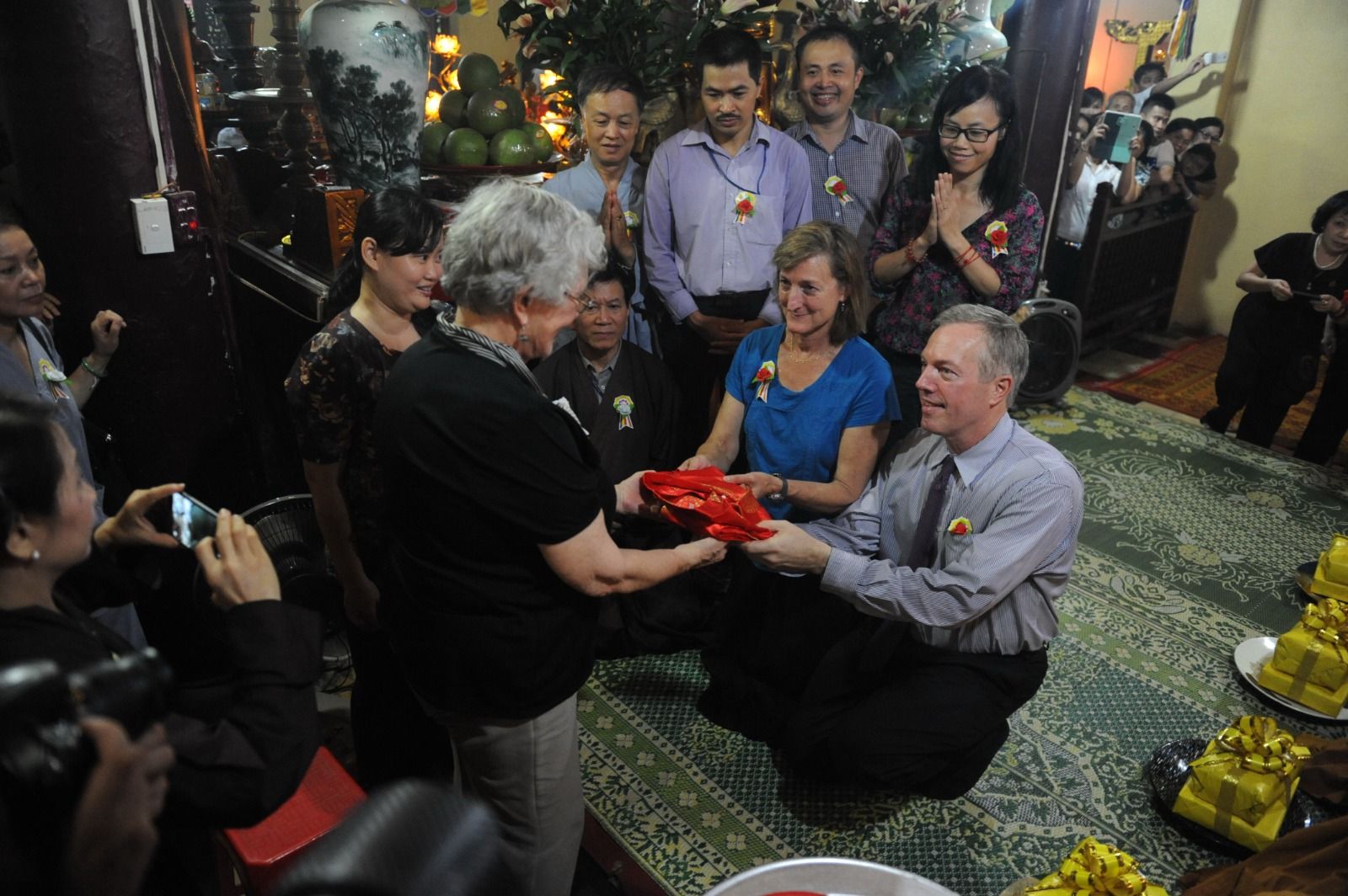
The conversation opens with Tết, as all good conversations in Vietnam should. Ted describes his first lunar new year in Hà Nội in 1997: releasing carp into the lake to deliver messages to the kitchen gods, making bánh chưng, learning which traditions mattered most from friends and students who became his teachers. Leadership begins with showing up, getting curious, and letting a place teach you.
But the deeper insight Ted offers is about language itself. Learning Vietnamese was not merely a linguistic project — it was a portal into an entire way of seeing the world. The Vietnamese pronoun system is built on family: every way of saying "you" implies a relationship — older sibling, younger sibling, elder, peer. The language does not allow you to address someone without first understanding your place in relation to them.
"Right from the get-go, I had to learn that there are many different ways to say 'you.' And that tells you, at the center of the language, there's family. If you don't know anything about the language, you don't understand that." — Ambassador Ted Osius
This is a profound leadership insight that extends far beyond Vietnam. When you commit to learning someone's language — truly learning it — you are committing to learning what they value, how they structure relationship and respect, what they hold sacred. Every time a Vietnamese person heard Ted speak Vietnamese, he says, they heard respect before they heard a word of substance. The door opened before the conversation began.
The Circus Comes to Town: Bicycle Diplomacy
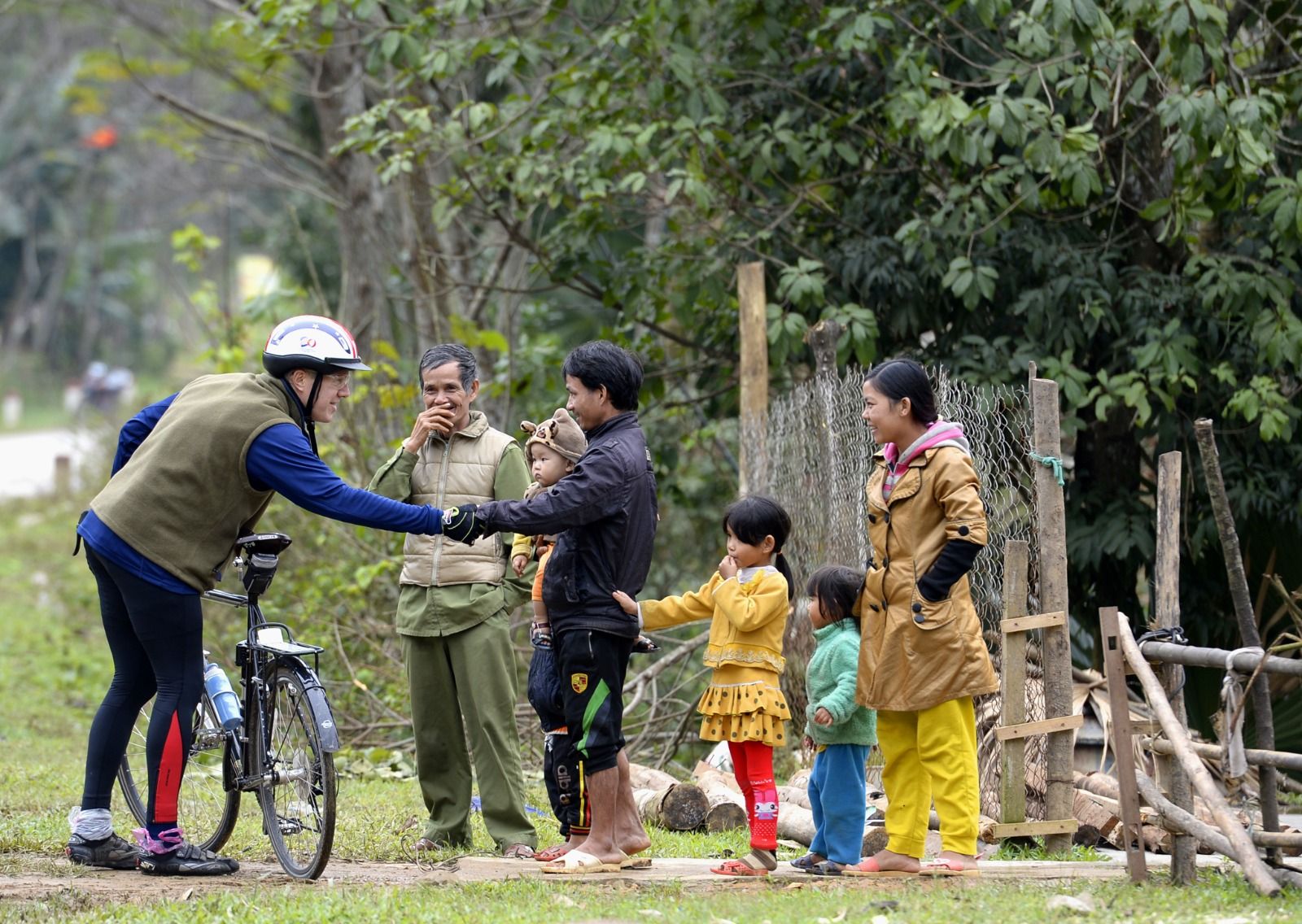
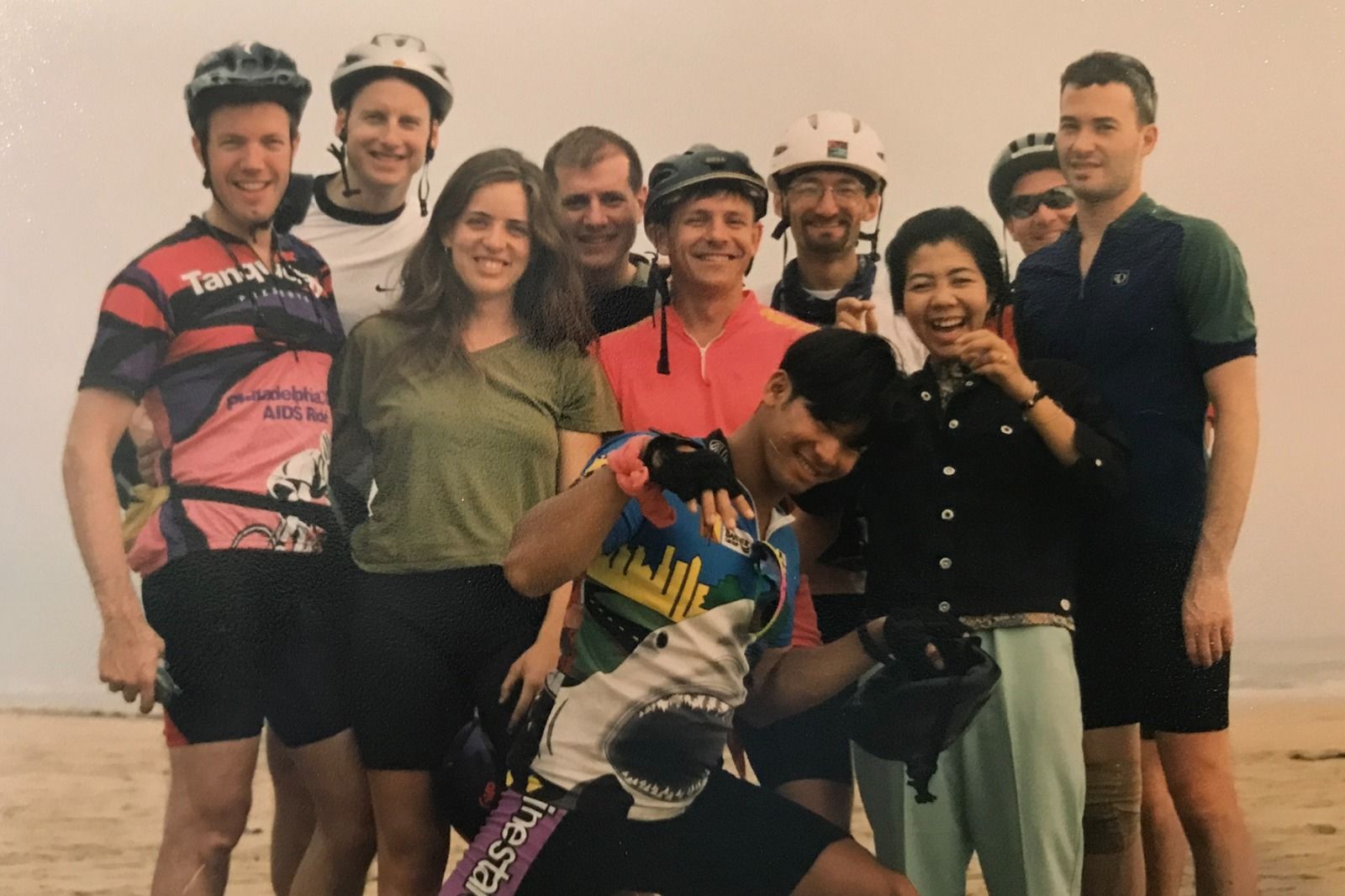
There is a particular image from this conversation that stays with you. Ted describes biking through Vietnam in the 1990s: the mixed group of Americans, Australians, and Vietnamese cyclists in colorful spandex, carrying wind-up frogs and small toys for the children who would join their procession. They were, he says, like the circus come to town.
The bicycle was not a gimmick. It was a philosophy. In the nineties, most people in the Vietnamese countryside traveled by bicycle. By riding at their pace, Ted was moving through Vietnam the way Vietnam moved — not insulated in a motorcade, not observing through tinted glass, but present and vulnerable and in genuine contact. Any leader who finds ways to move at the pace of the people they serve will hear things, see things, and earn things that no briefing paper can provide. Ted became known as "the people's ambassador." He earned it on two wheels.

Reconciliation Is a Story You Tell at a Bridge
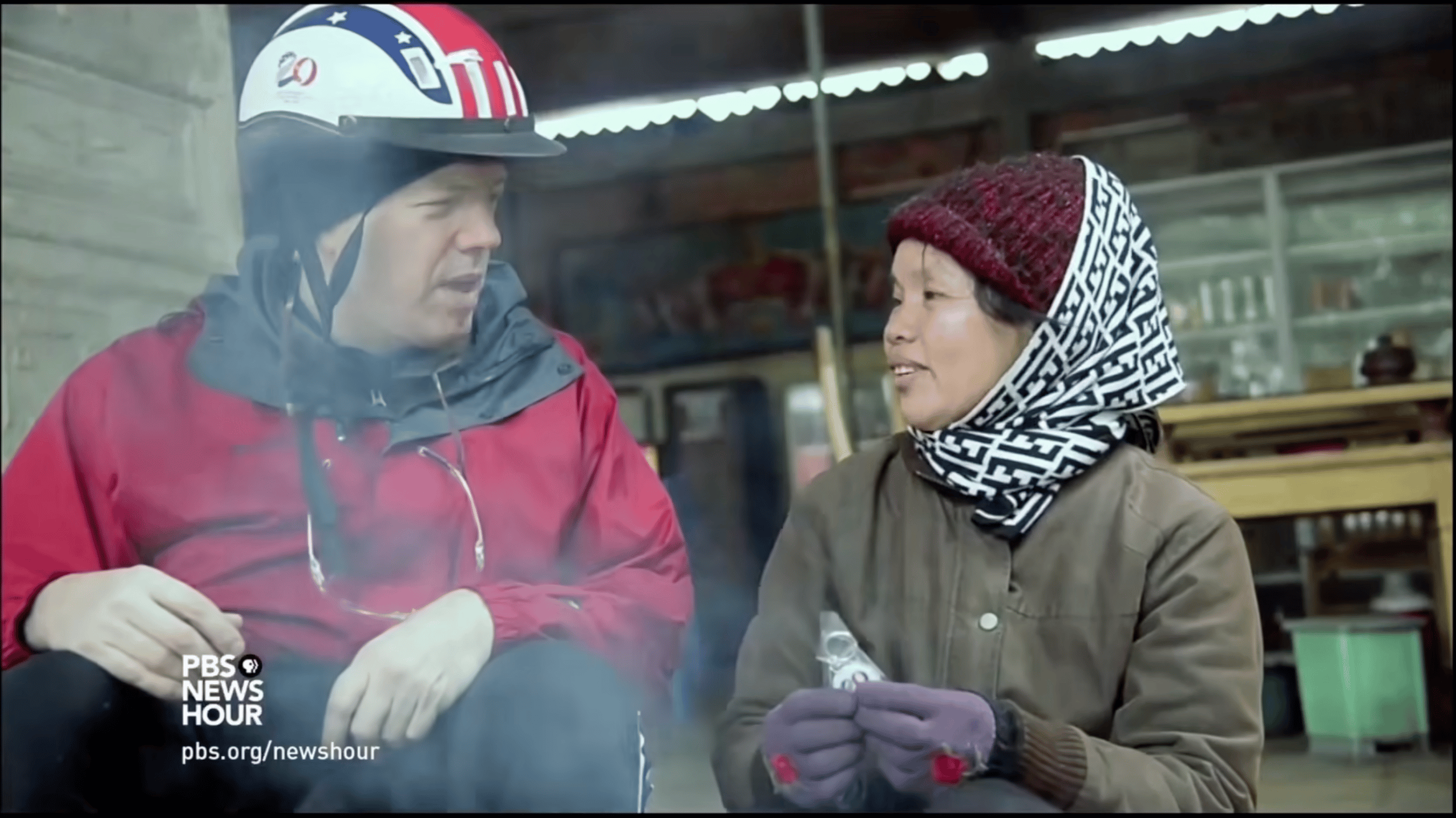
The episode's most quietly powerful moment arrives with a story about a bridge. Ted is biking through Quảng Trị — the dividing line between north and south — and stops on a bridge over a river surrounded by strange ponds. He asks a woman nearby what they are. She explains: bomb craters. American bombs. Then she tells him how many people in her village were killed.
He feels worse and worse — and decides he has to tell her who he is. When he does, she pauses. Then she says something he will never forget — and recounting it in our studio, he tears up.
"She said: hôm nay chúng ta là chị em — today, we are family. She was my chị — my older sister. And I was her em — her younger brother. That's a lesson of reconciliation. Because how could she get to that place? She had lost members of her family. Her country had been devastated. But she had gotten to a place where I could be her little brother. And I told that story to the US Senate when I was confirmed as ambassador — because I thought they need to understand on a human level that reconciliation is possible."
— Ambassador Ted Osius
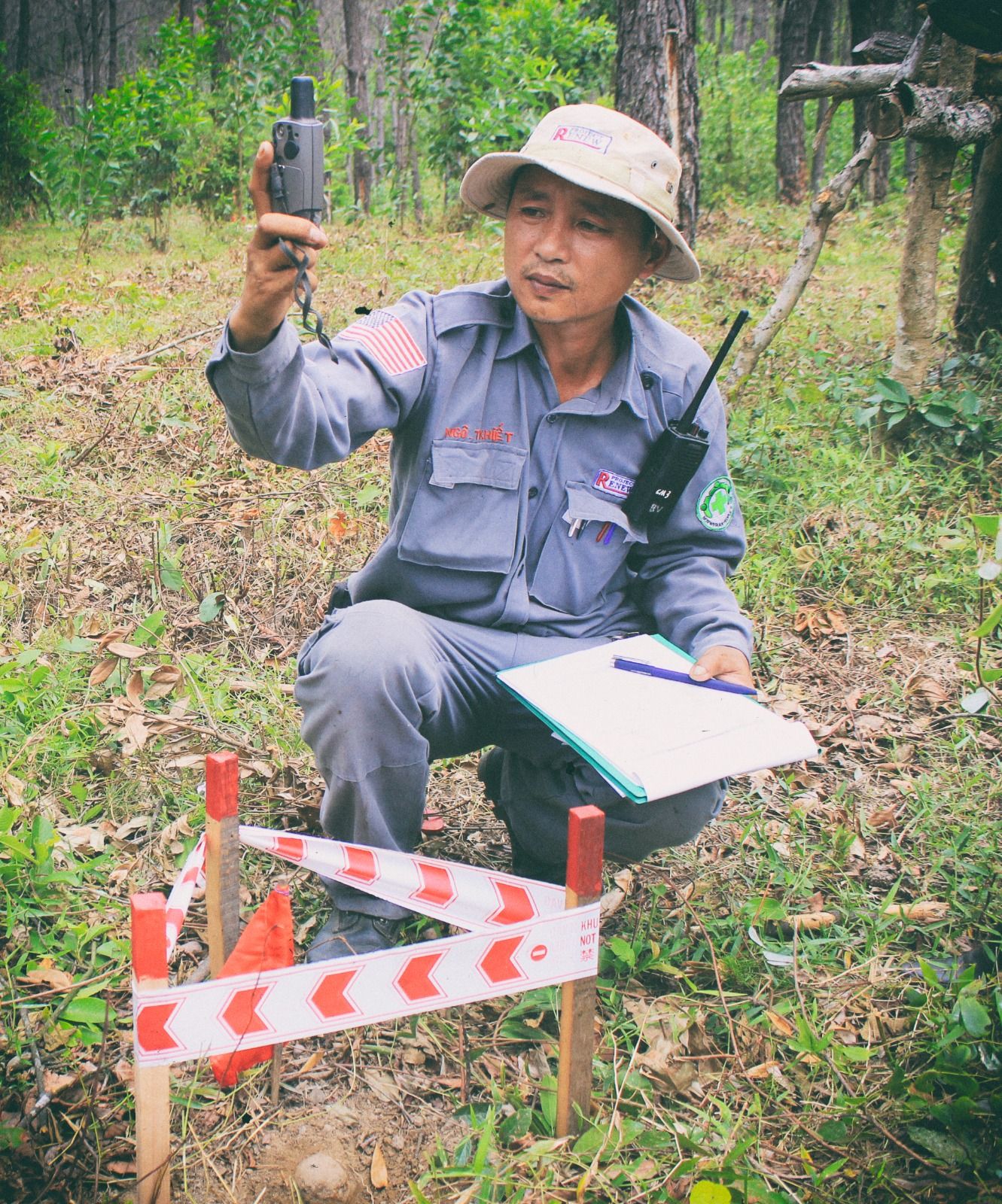
Ted is clear that reconciliation is not easy. But it is always possible, and it always begins the same way: with one person deciding to listen rather than defend. You start doing things together. Small things. Clearing unexploded ordnance. Identifying the missing. Cleaning contaminated soil. Trust builds on trust. The work creates the relationship, and the relationship makes more work possible.

The Moment Everything Changed: Stop Talking, Start Listening
When asked what single thing made the biggest difference in his ambassadorship, Ted does not name a policy initiative or a diplomatic maneuver. He names a moment of listening.
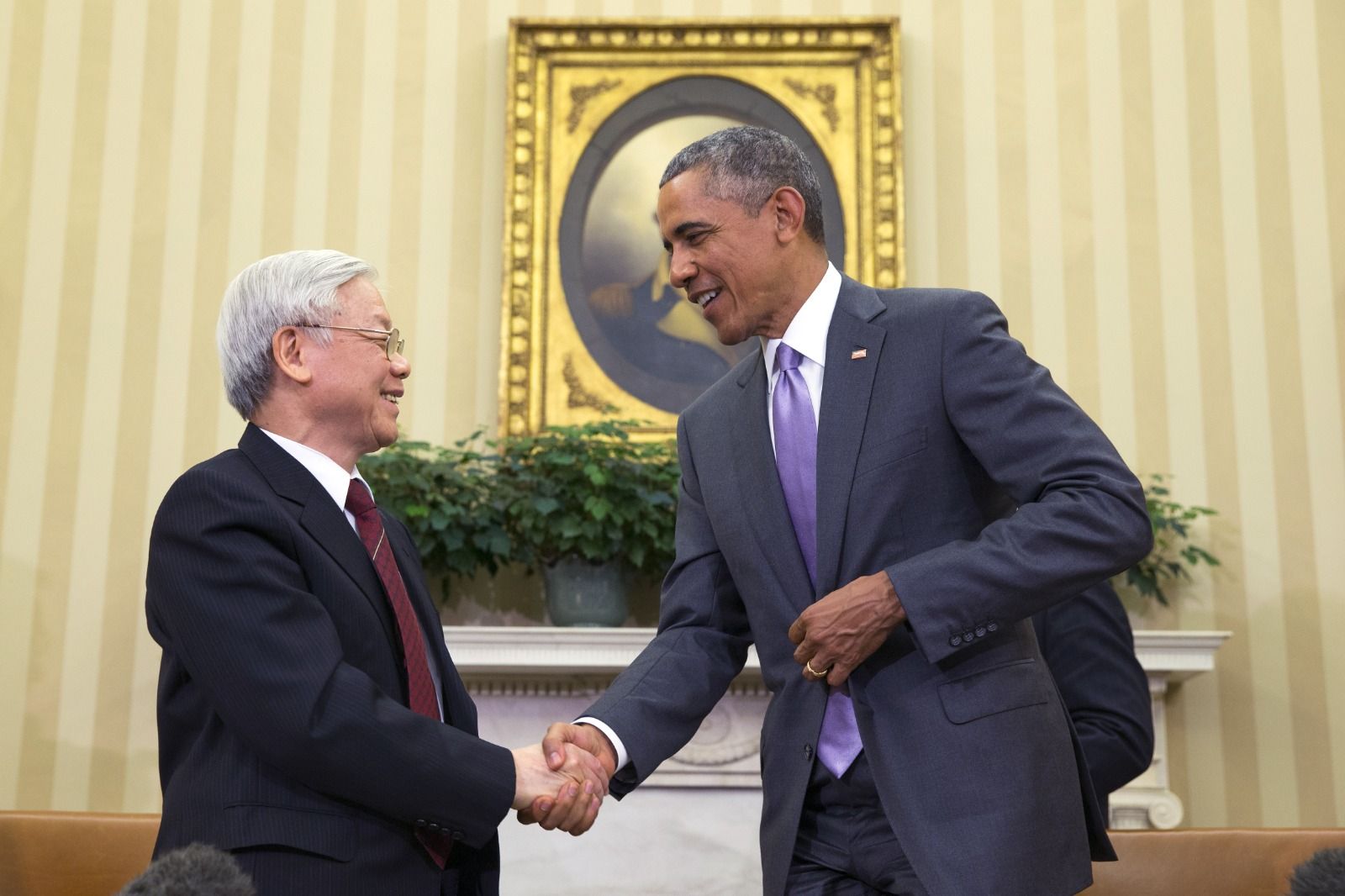
"When I stopped thinking about my own agenda and started listening, that's when amazing things happened. Someone advised me: invite the General Secretary of the Communist Party to come to Washington. And things will change. I did — and things did change. If I hadn't listened, I would've blown it."
— Ambassador Ted Osius
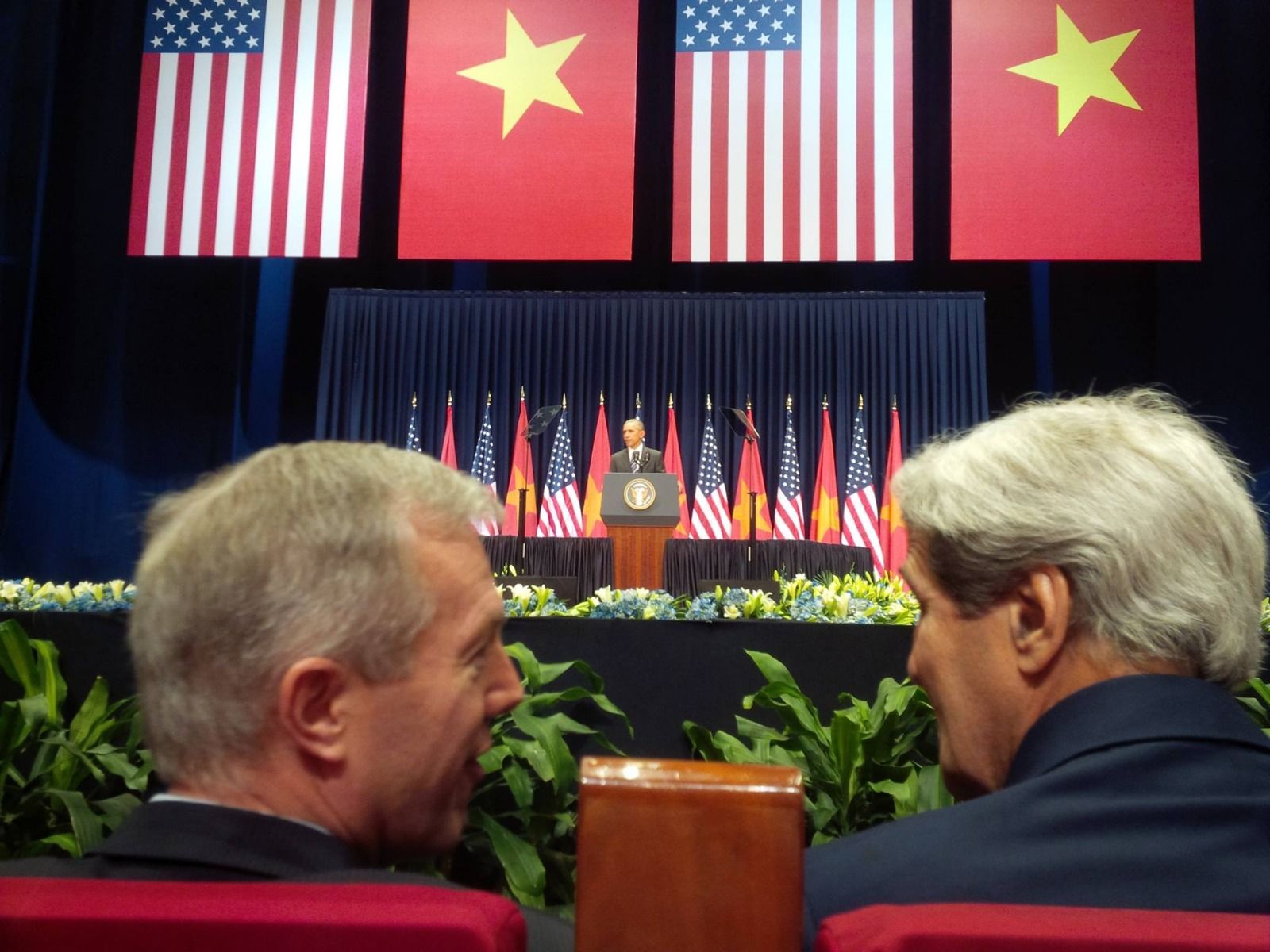
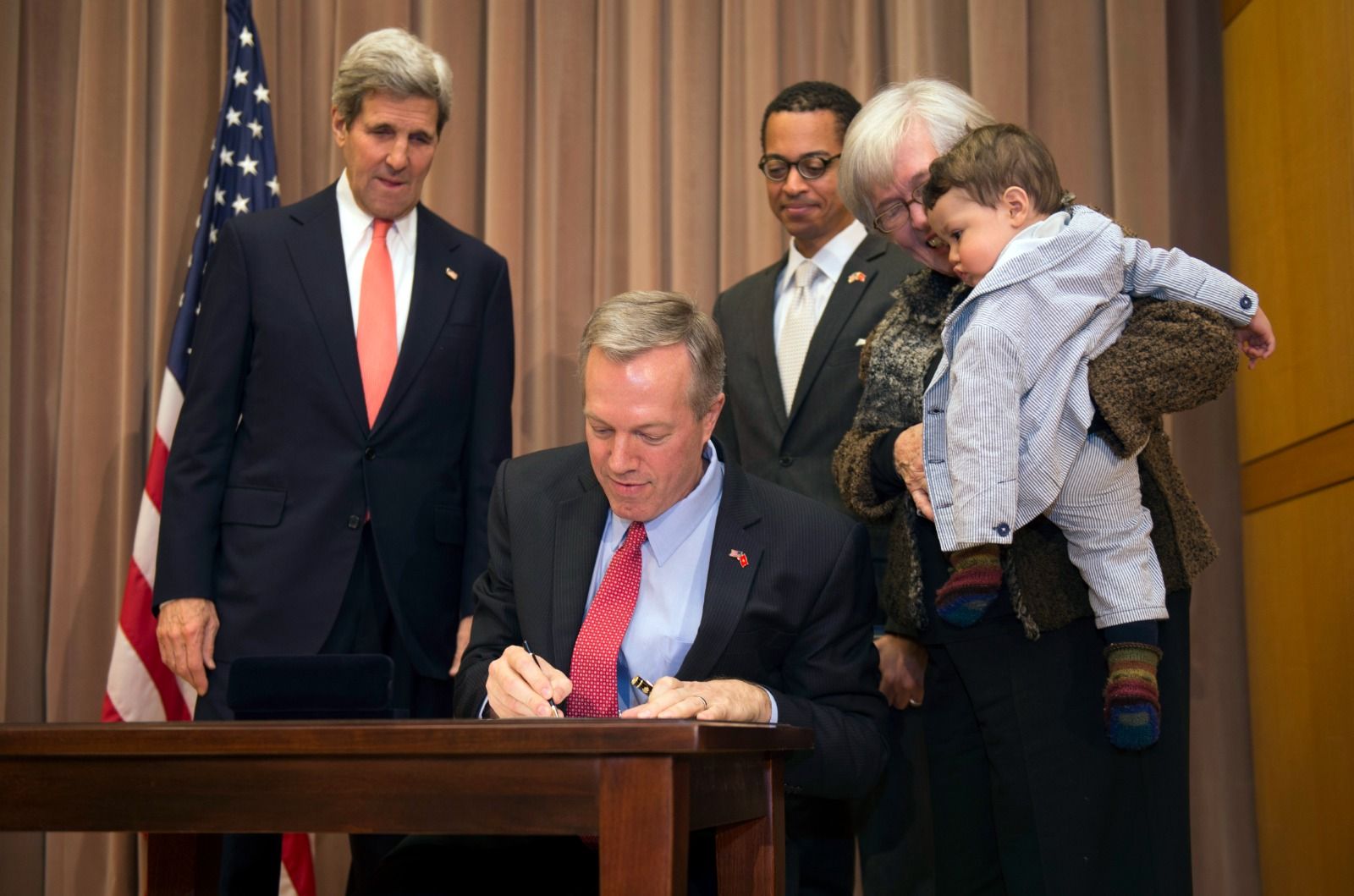
Ted had been pushing his own diplomatic agenda — the things he thought needed to happen, in the order he thought they should happen. The breakthrough came when he set that agenda down long enough to hear what someone wiser was telling him. He acted on that advice. The General Secretary came to Washington. The two countries deepened their partnership in ways that continue to shape the region today.
On Being Fully Yourself: The RBG Story
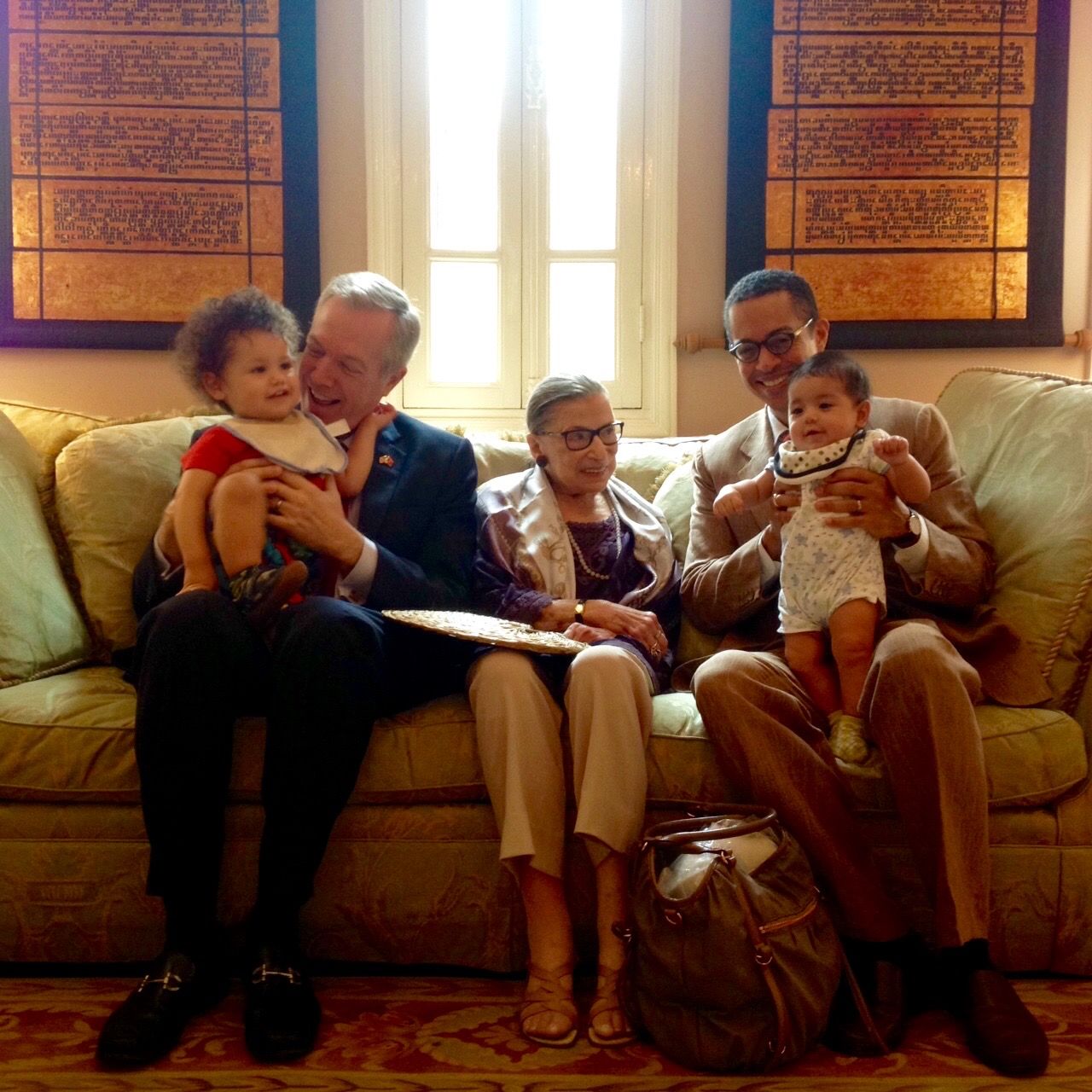
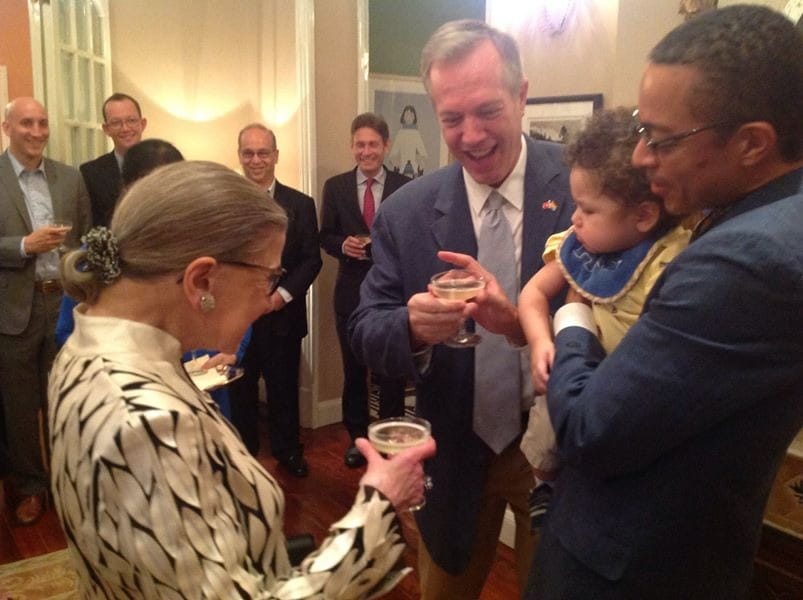
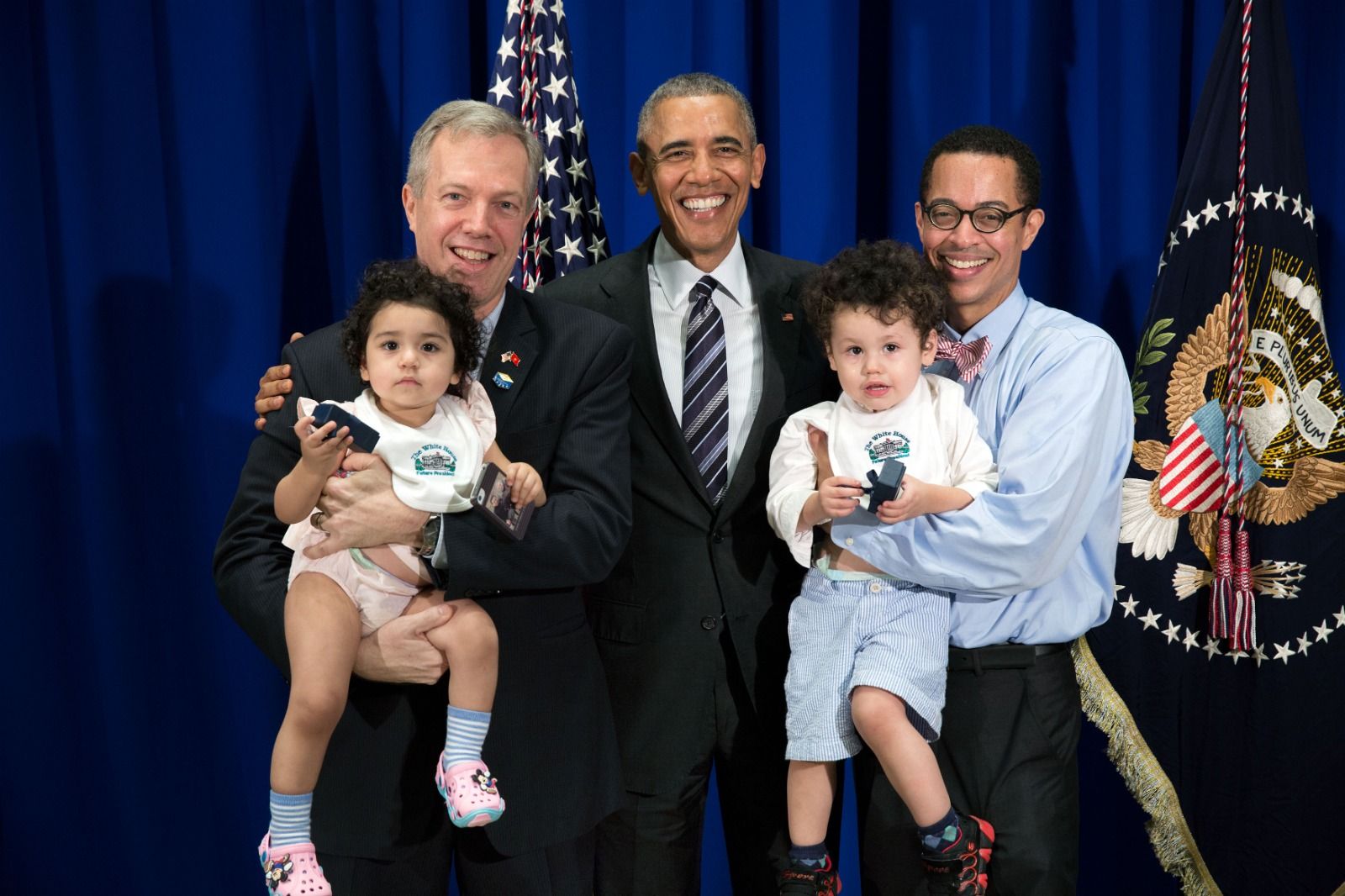
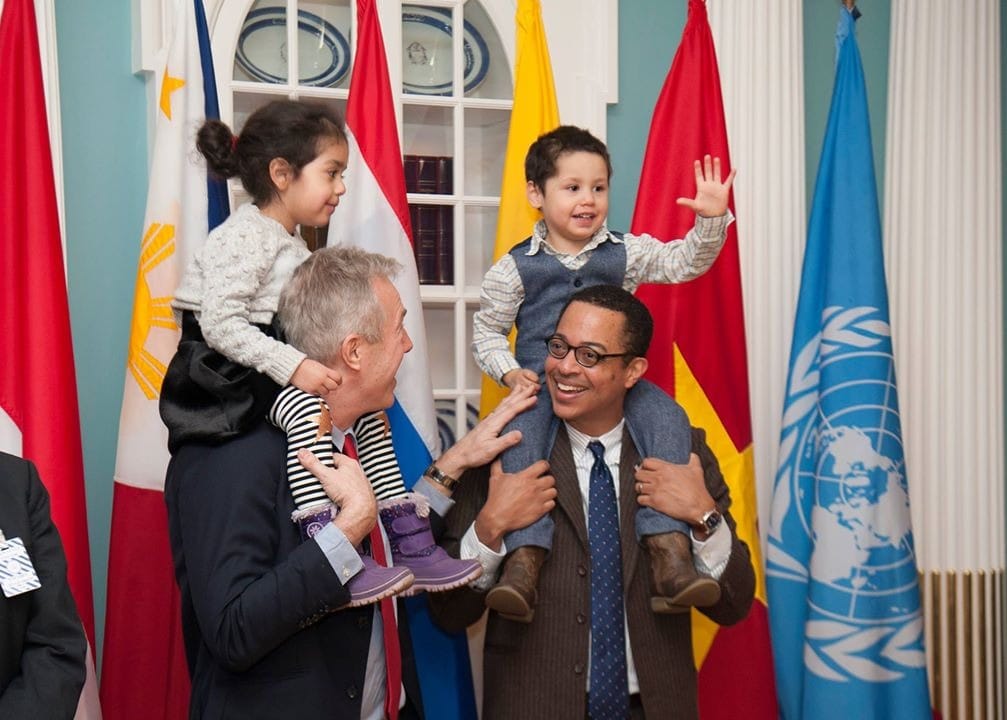
One of the most tender passages in this episode is Ted's account of renewing his wedding vows with Justice Ruth Bader Ginsburg in Hà Nội in 2015. He had approached the moment strategically as an ambassador — a statement about marriage equality, a signal of visibility for LGBTQ+ people across Asia. It worked. People came up to him afterward saying they had come out after seeing that it was possible to be yourself, have a family, and have a meaningful career.
But when his 18-month-old son Tabo leapt from one father's arms into the other's, the ambassador disappeared. Only the father remained.
"You're gonna be very good at being yourself. You're never going to be good at pretending to be somebody else."
— Ambassador Ted Osius
Love and Purpose: The Only Two Things That Matter
At the center of the episode is a conversation that will resonate with every leader who has ever felt the pull between family expectation and personal calling. Henry's aunt — out of deep love, born of a generation shaped by postwar scarcity — still sends him job listings. She wants security for him. Ted names what is happening with precision: she is doing it out of love, and she is not wrong about love. But love alone is not enough for a life.
"There are only two things that matter in life if you boil it down. One is love, and the other is purpose. A satisfying life has both. You can't take them away and have it be okay. You need to pursue your purpose — just as you need to pursue love."
— Ambassador Ted Osius
This is ikigai articulated by a man who has lived it across decades and continents. The Dead Poets Society analogy Henry raises — the boy who wants to be an artist while his parents want him to be a doctor — is as old as storytelling. What Ted adds is the practical wisdom: you are going to be far better at being yourself than at forcing yourself into a mold someone else built for you. And ultimately, the people who love you will see that too.
The Ten Students: Education as the Longest Bridge
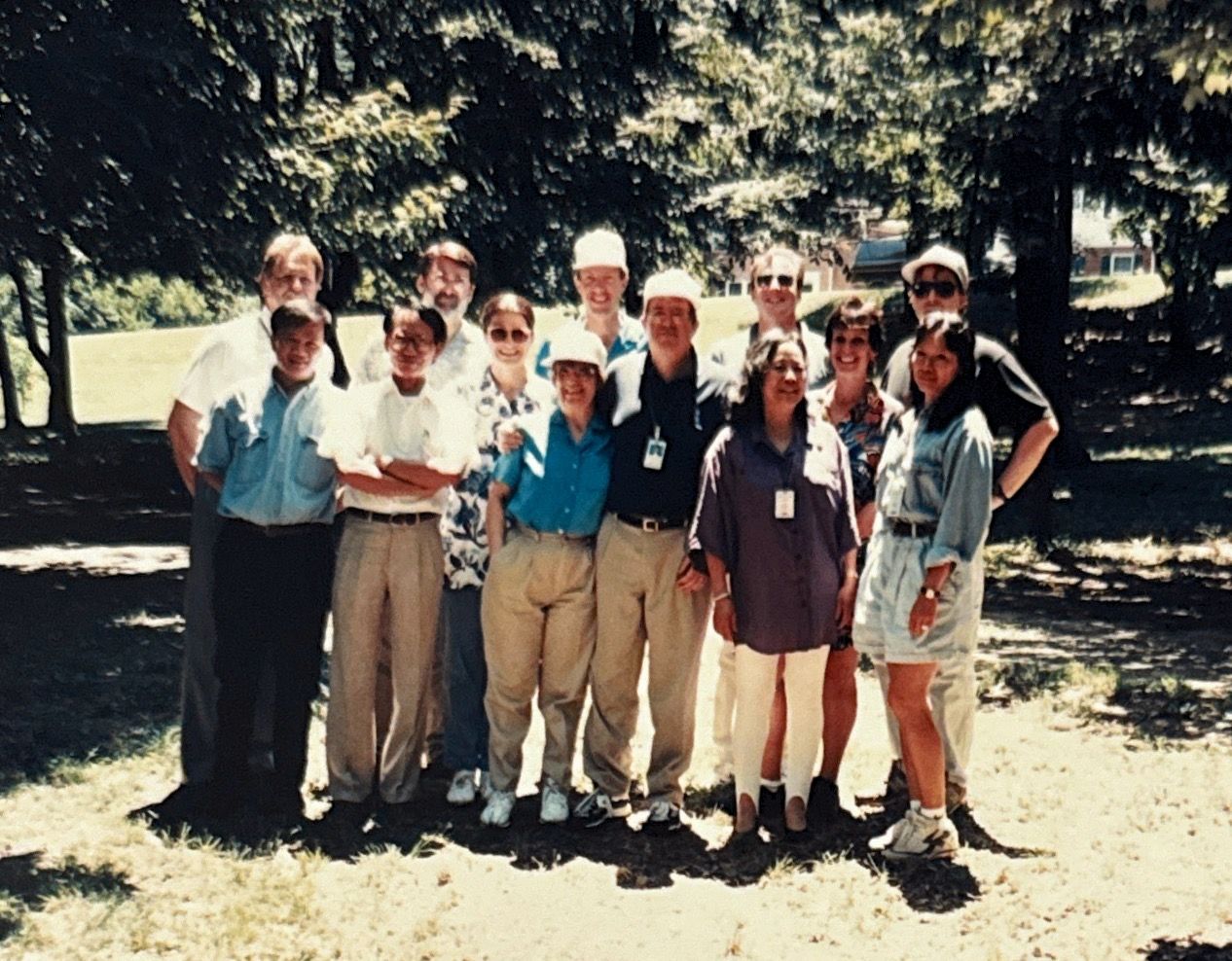
One of the most quietly beautiful stories in this episode is the simplest. In 1996, Ted's landlord in Hà Nội asked if he would teach his son English. Ted agreed — but said he would rather do it as a class than as private tutoring. The landlord found ten students: five girls and five boys, ages fifteen to twenty. They met every Wednesday night at the old Physics Institute near the Daewoo Hotel. Ted planned his trips around those Wednesdays. He never wanted to miss one.
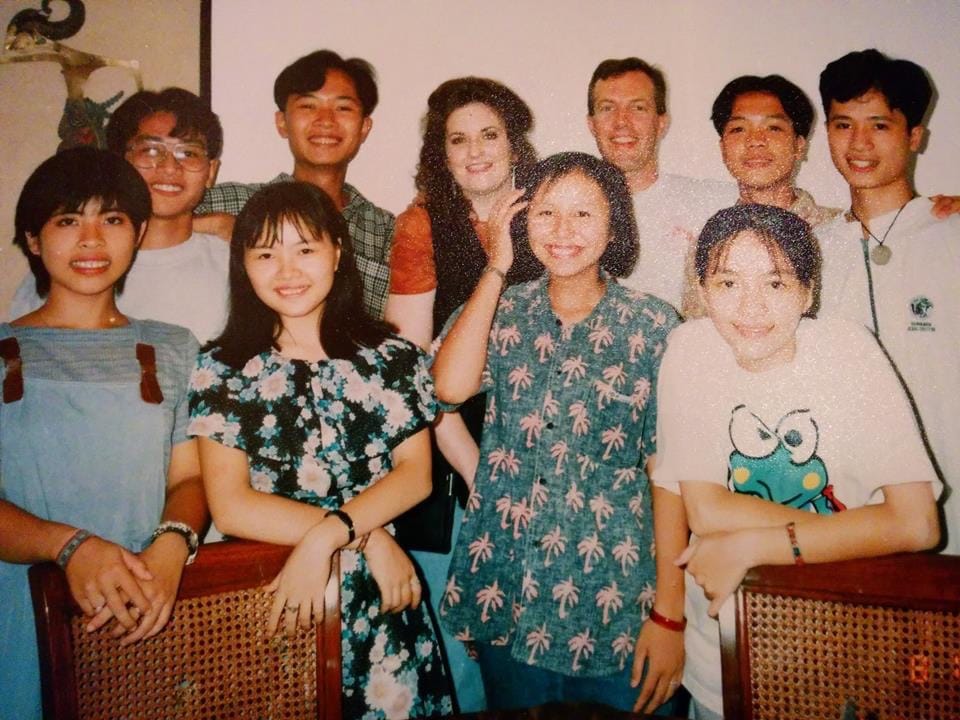
Two decades later, when Ted was serving as ambassador, he put a photograph on Facebook. He tracked down six of the ten. Three were CEOs. Two were diplomats. All had built lives of substance and reach. The English they learned together — in a classroom in a Physics Institute in a city still finding its way — had been a thread pulling them toward the world.
This is what 10 Nexus is trying to build. Not a credential. Not a platform. A room — and then a series of rooms, over a lifetime — where emerging leaders can find mentors, find peers, find the language and the courage to become who they are meant to be. Ted's Wednesday nights in Hà Nội are the proof of concept.

Đắc Địa: The Right Person, the Right Land, the Right Time
Henry introduces a Vietnamese concept late in the conversation that stops the room: đắc địa — when the right person meets the right land at the right moment, things flourish, like flowers and butterflies. He says it to Ted, whose Vietnamese teacher once told him he was "half Vietnamese." Ted receives it as the compliment of a lifetime.
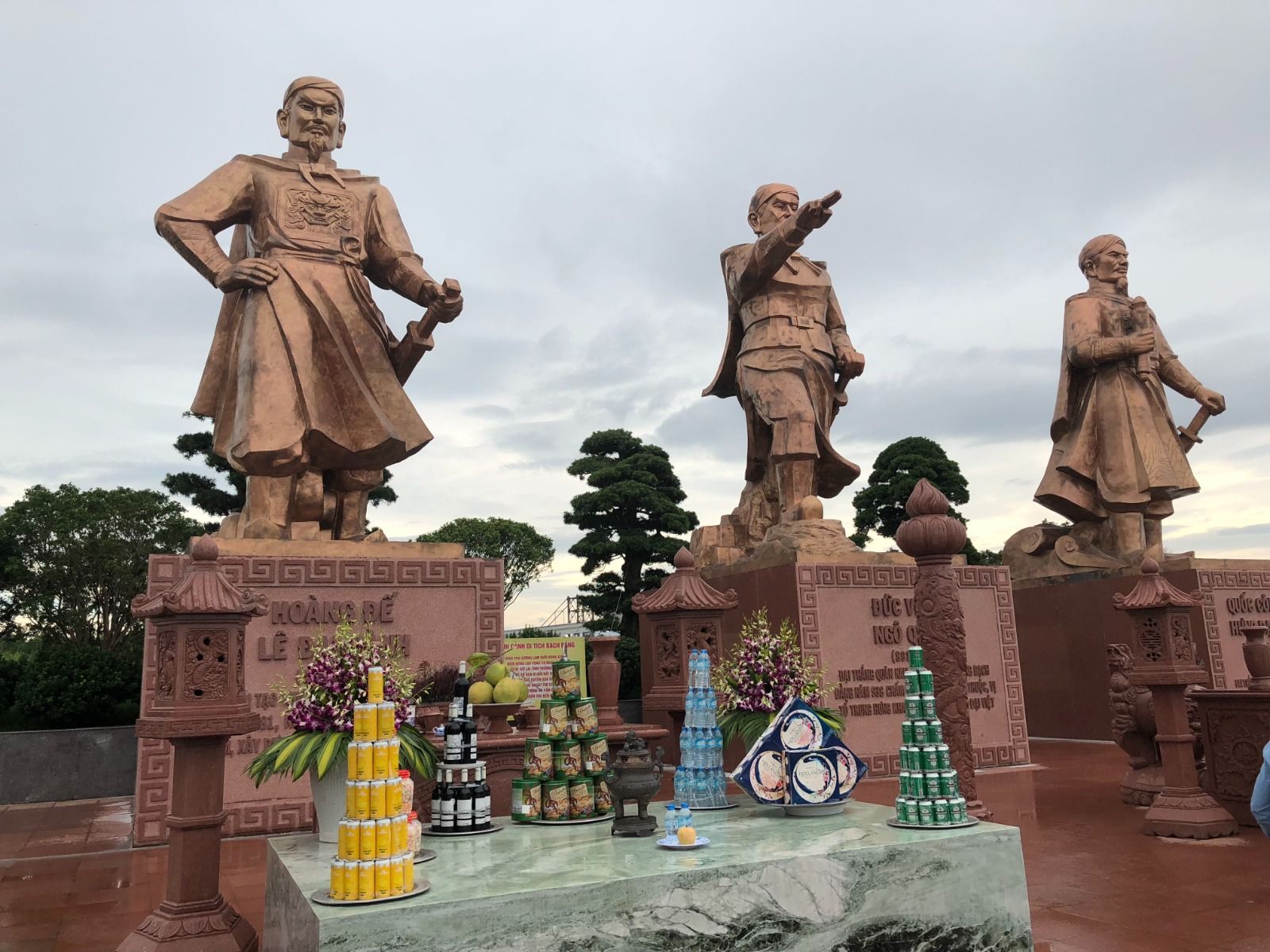
Ted speaks with genuine conviction about Vietnam's ambition to become a high-income country by 2045 — its hundredth anniversary of independence. Its median age is 32. Its economy has grown at roughly 8% annually for years. He helped bring Google to Vietnam, arguing against internal legal objections that the opportunity was too significant to pass up.

"Openness is Vietnam's superpower. There are other countries that have chosen to remain closed. Vietnam is doing the opposite — and it shows."
— Ambassador Ted Osius

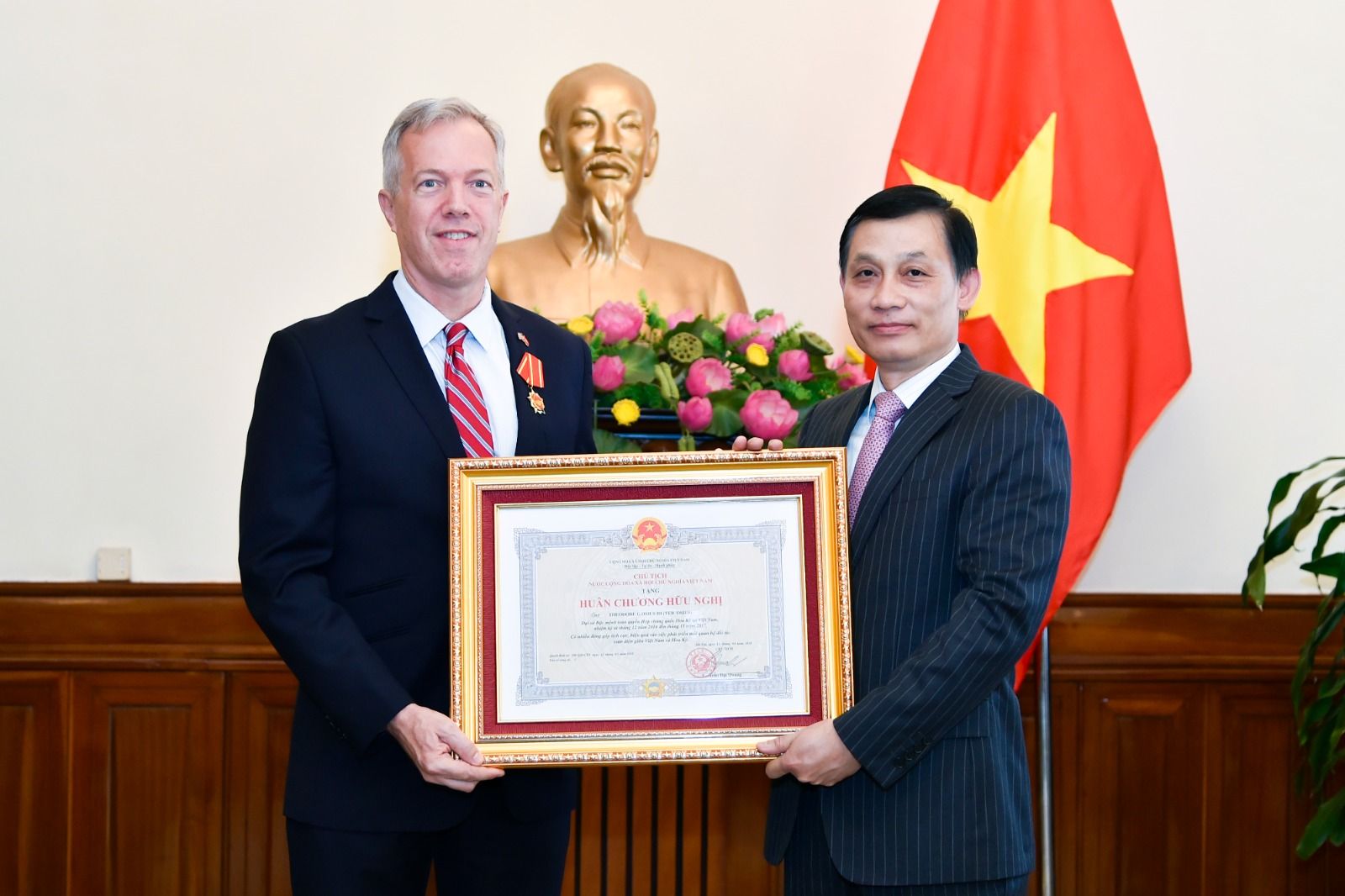
The Dinner Table Is the Original Social Network
Near the end of the conversation, both hosts talk about food — and not as a digression. The dinner table is the actual subject. Ted recalls the ambassador's residence in Hà Nội: a table that seated eighteen, where conversation could just barely be held together but somehow was. He recalls a particular dinner with the president of Harvard, a Vietnamese vice minister, and a film producer where a conversation about a cemetery became a step toward deeper reconciliation.

Henry calls it what it is: the dinner table is the original social network. Ted agrees and goes further. Before we had tables, he says, we squatted around fires. We are designed to tell stories together in that posture. The word "salon" — what 10 Nexus calls its gatherings — is just a modern name for something humans have always done.
Rapid Fire — Five Questions
Biking, walking, or long dinner to build understanding?
Biking — you go together for a long time.
Dinner table or meeting room for impact?
Dinner table, always.
Listening or speaking — the more powerful leadership skill?
Listening.
One word you associate with home?
Family.
Vietnamese dish that feels like home?
Phở.
Read Ted’s Book
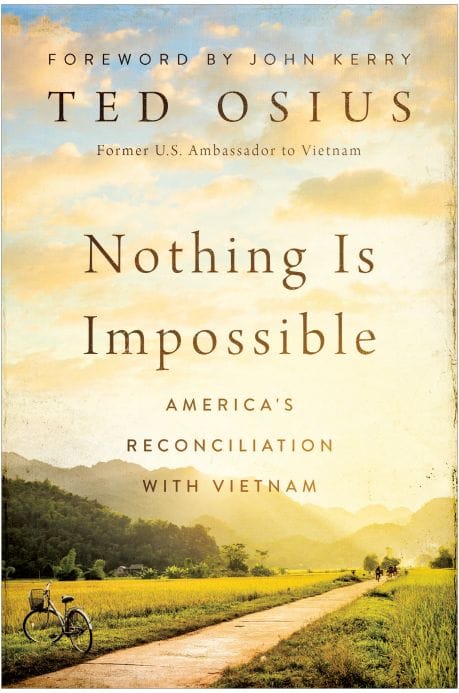
Ted's memoir tells the twenty-year story of daring diplomacy that transformed two former enemies into strategic partners. With a foreword by Secretary Kerry, it is praised by Joe Biden, Madeleine Albright, and diplomatic leaders across the world as essential reading on what patient, respectful, people-first diplomacy can achieve. If this episode moved you — the book will go even deeper.
Why This Episode Matters for Our Community
Ted Osius is not on our Wisdom Council because of his titles — though they are formidable. He is here because of what those titles have taught him: that respect opens doors credentials cannot; that the most important conversations happen when you set your agenda down; and that community, at its best, is what we build around tables where people are truly seen.
This is what 10 Nexus is trying to build. Not a platform — a room. A room where the next generation of cross-cultural bridge-builders can find each other, tell the truth, and rise together. Ted Osius has spent thirty years showing what that looks like in practice. We are honored to have his voice as one of our founding elders.
"There are only two things that matter in life if you boil it down. One is love, and the other is purpose."
— Ambassador Ted Osius