AN VO — On Global Identity, Paris, and Building Vietnam's Next Chapter
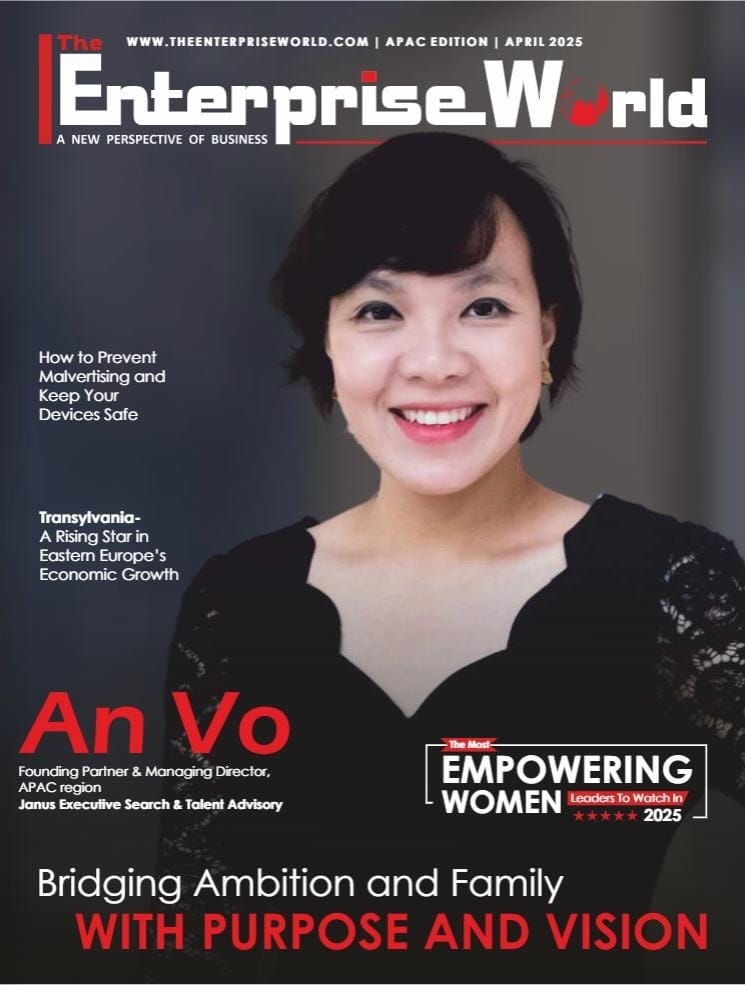
We recently sat down with An Vo, Founding Partner & Managing Director, JANUS and spoke about her Vietnamese identity, global experiences in LA under the ASSIST Scholar Program, her life chapters in Massachusetts and Paris, being mentioned by President Bill Clinton, returning home, and co-creating Vi
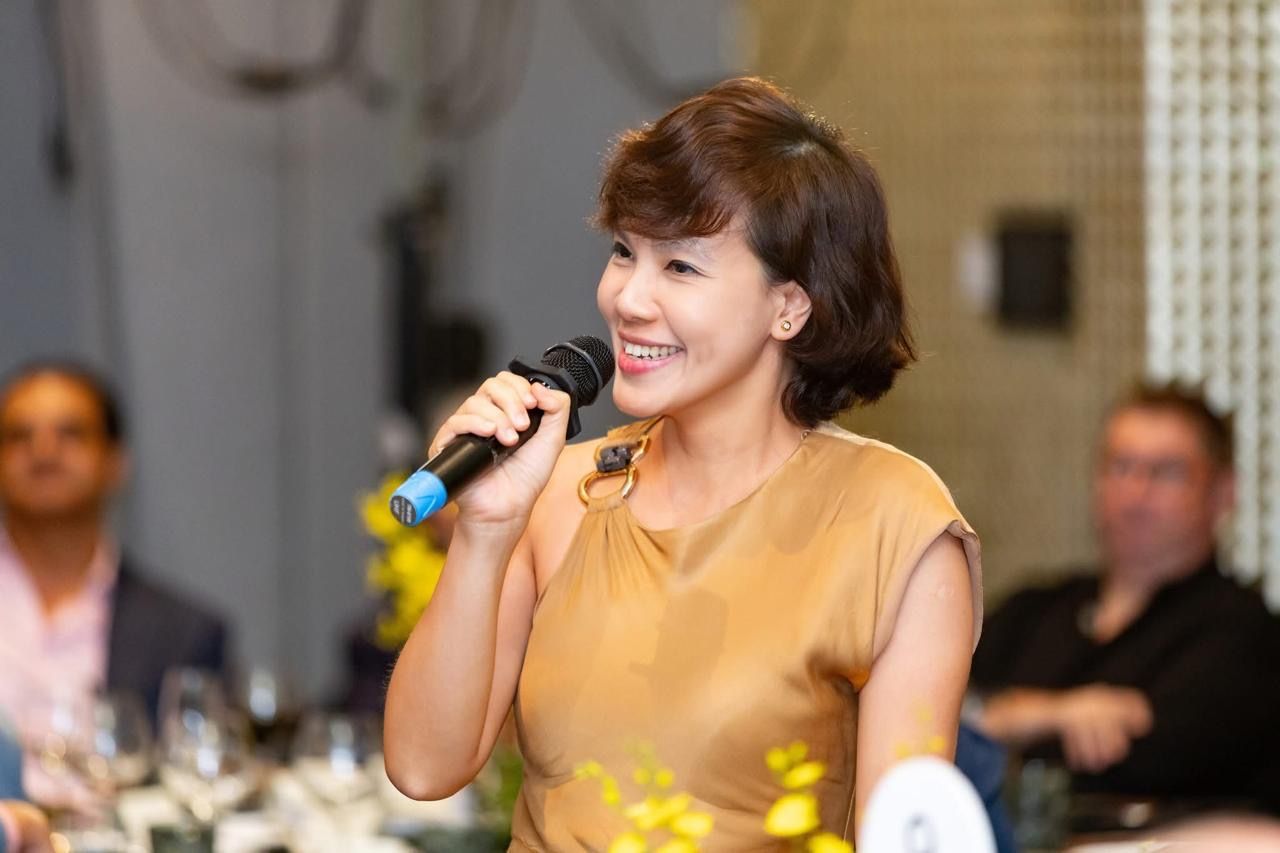
10 Nexus presents
Empower Circles Features – AN VO
On her Vietnamese identity, global experiences in LA under the ASSIST Scholar Program, global chapters in Massachusetts and Paris, being mentioned by President Bill Clinton, returning home, and co-creating Vietnam’s next chapter.
AN VO
Founding Partner & Managing Director, JANUS
Connecting global talent with Vietnam’s leading teams & organizations
At 16, An Vo left Saigon and stepped out into the world. From Los Angeles to Massachusetts to Paris, her journey unfolded across cultures, classrooms, and conversations — shaping not only how she sees the world, but how she chooses to move within it. Today, she connects global talent with Vietnam's most ambitious organizations, while contributing to a larger story: Vietnam stepping into its next chapter.
Watch the full episode here:
I left Vietnam when I was old enough to know who I was and what I represent — but young enough to still absorb what the world has to offer.
1. You left Vietnam at 16 to study in the US under the prestigious ASSIST Scholar program, and then again at 20 to study at Sciences Po in Paris, France. How did these early global experiences shape who you are?
I was fortunate — I left when I was old enough to know who I was, but young enough to still absorb what the world had to offer. I was the only Vietnamese student at Brentwood School in LA. A prestigious school, with a lot of well-known kids around. And yet that whole year became about understanding what I bring to the world — what values I represent as a young Vietnamese stepping into a space like that.
That year has never stopped having an impact on me. It defined how I think about connecting Vietnam with the world — either bringing Vietnam outward, or bringing the world back in.
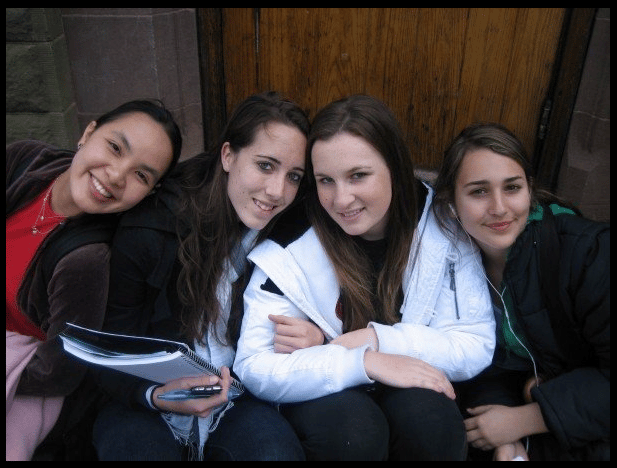
2. Did you ever experience an identity crisis living abroad?
Never. I have always known I am Vietnamese. There were periods where I absorbed different values from different cultures — things I liked, things I questioned — but that was openness, not crisis. I was very centered in who I was and what I represented. I knew my family, I knew my values. Those things didn't waver.
I have always known I was Vietnamese. I was open to what the world had to offer — but I was centered. That center never moved.
3. At 16, you spoke in front of your entire school in LA about Agent Orange in Vietnam, a moment that would eventually lead to President Bill Clinton mentioning your work in a speech. Where did that powerful voice come from?
I remember standing in the center of the stadium. The whole school was silent. A literature teacher told me afterward: "I've never seen them that focused before." And all I did was stand up and speak about something I was deeply passionate about — about what was still happening in my country.
My English wasn't perfect. I was a kid. But I was the one bringing attention to Vietnam, and I felt really proud of that.
Later, in university, I continued speaking on Agent Orange and fundraised for affected families back home. That project was eventually what led former President Clinton to mention my work in one of his speeches. I didn't set out for recognition — it was always about the mission.
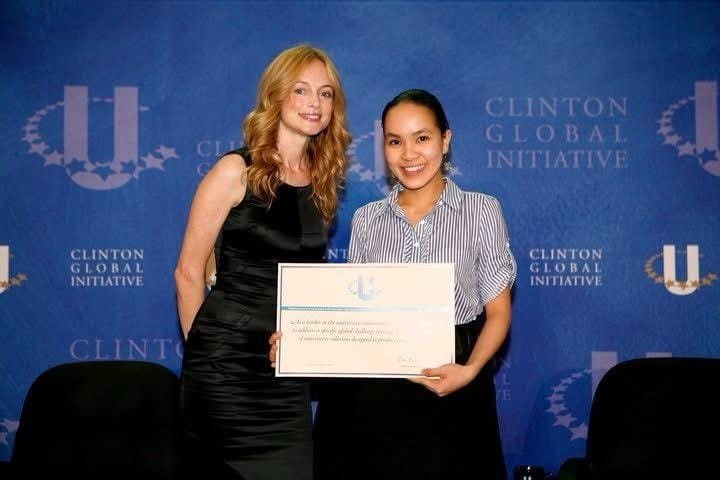
4. You seemed to move with extraordinary clarity and purpose from a young age. Where does that inner drive come from?
I've never really asked myself why I do the things I do. I know what I want to represent, and I just keep moving forward. There was never an inner voice saying, "you have to do this because of this." It was very natural.
I've been in community work since I was very young. And what I learned early is that when you do things that are meaningful — things that contribute to something larger than yourself — it makes you feel that you are in this life for a reason. That feeling kept me moving.
Looking back, it's definitely been a journey. You don't just wake up one morning and decide. It's shaped by family, by the people you meet, by the different corners of life you get to visit.
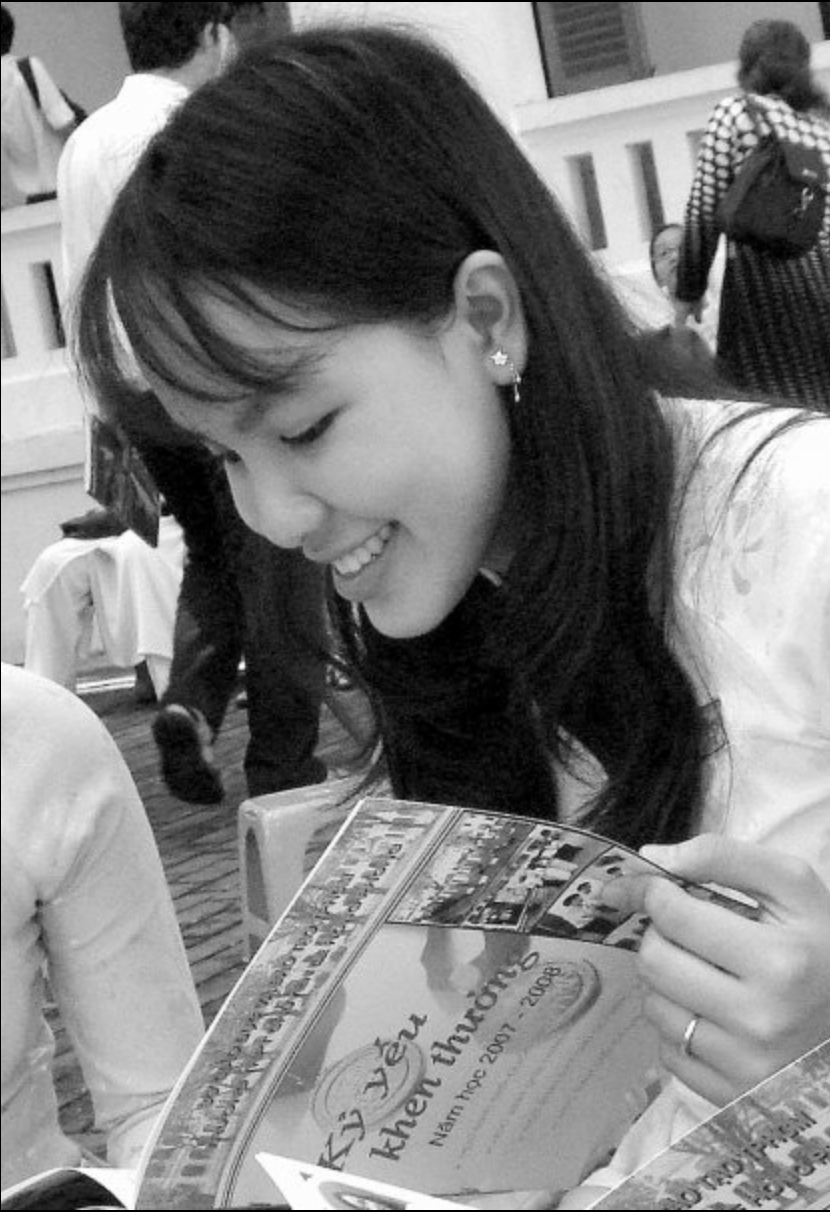
5. Your time at SciencesPo was a defining life chapter. How did living and studying in Paris shape the way you see the world and your life today?
Going to Paris was life-changing. I first visited at 18 — and fell in love with the city at first sight. The language, the culture, the people, the architecture, the arts. I decided then and there that I had to master French, no matter what. I went back to college and added it as a double major.
When I came back as a student at Sciences Po — the Harvard of France, as many call it — it was something else entirely. I was surrounded by people who were so smart and so passionate about life. Friends from Holland, France, Mexico. Many of them are still close friends today. One of my best friends from that era has been living in Vietnam for nearly ten years now.
That period taught me to appreciate the depth of relationships — and the way people choose to live. It changed how I look at life. And it's part of why all three of my children now go to a French school.
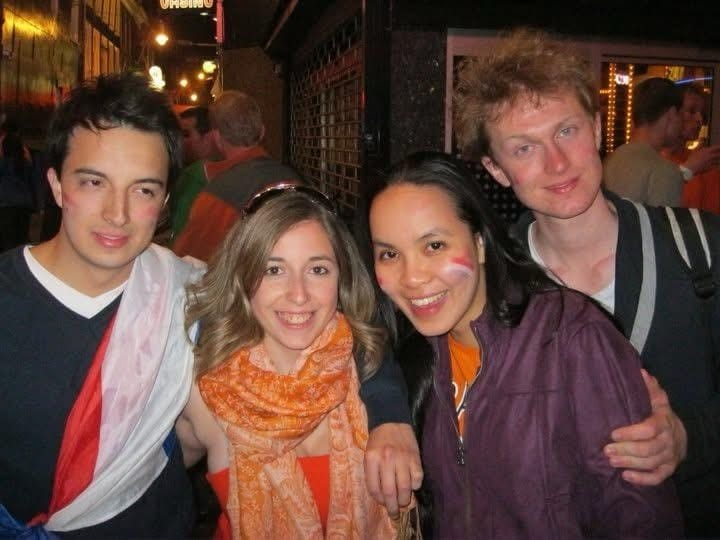
I was surrounded by people who were so smart and so passionate about life. It taught me to appreciate the depth of relationships — and the way people choose to live.
An Vo — on Sciences Po, Paris
6. Sciences Po is known for its rigorous critical thinking and argumentation. How does that foundation show up in your work at JANUS today?
I treasure both my time at Sciences Po and at Mount Holyoke in Massachusetts. The fundamental gift of a liberal arts education isn't functional skills — it's teaching you how to question things and answer them in a logical way. That is the foundation for everything that follows in life.
In my work today, we connect with talent from all over the world, across cultures and backgrounds. The ability to ask the right questions, form clear arguments, do real research, and present compellingly — all of that comes directly from that training. It shapes how I think about our candidates, how I advise our clients, and how I tell the story of Vietnam to the world.
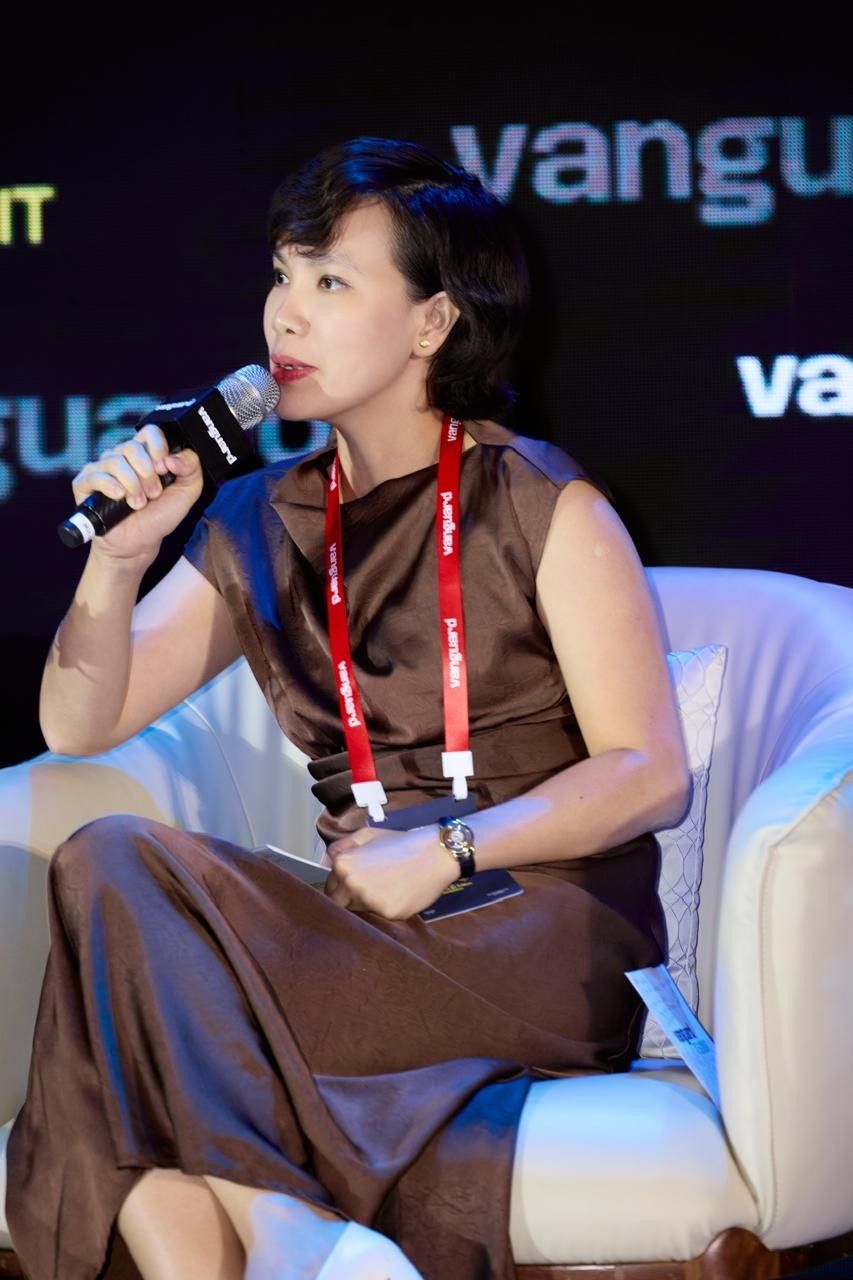
7. After studying and living abroad, what drew you back home to Vietnam — and was that decision obvious at the time?
I always knew I wanted to come back. At the time, returning to Vietnam after studying abroad wasn't common — most people who left wanted to stay abroad. But for me, there was never a moment I questioned it. It was about the timing, not the decision itself.
Some decisions just feel right. There's no rational formula behind them. Going back to Vietnam felt like that. I loved my country. I wanted to be here and build something here.
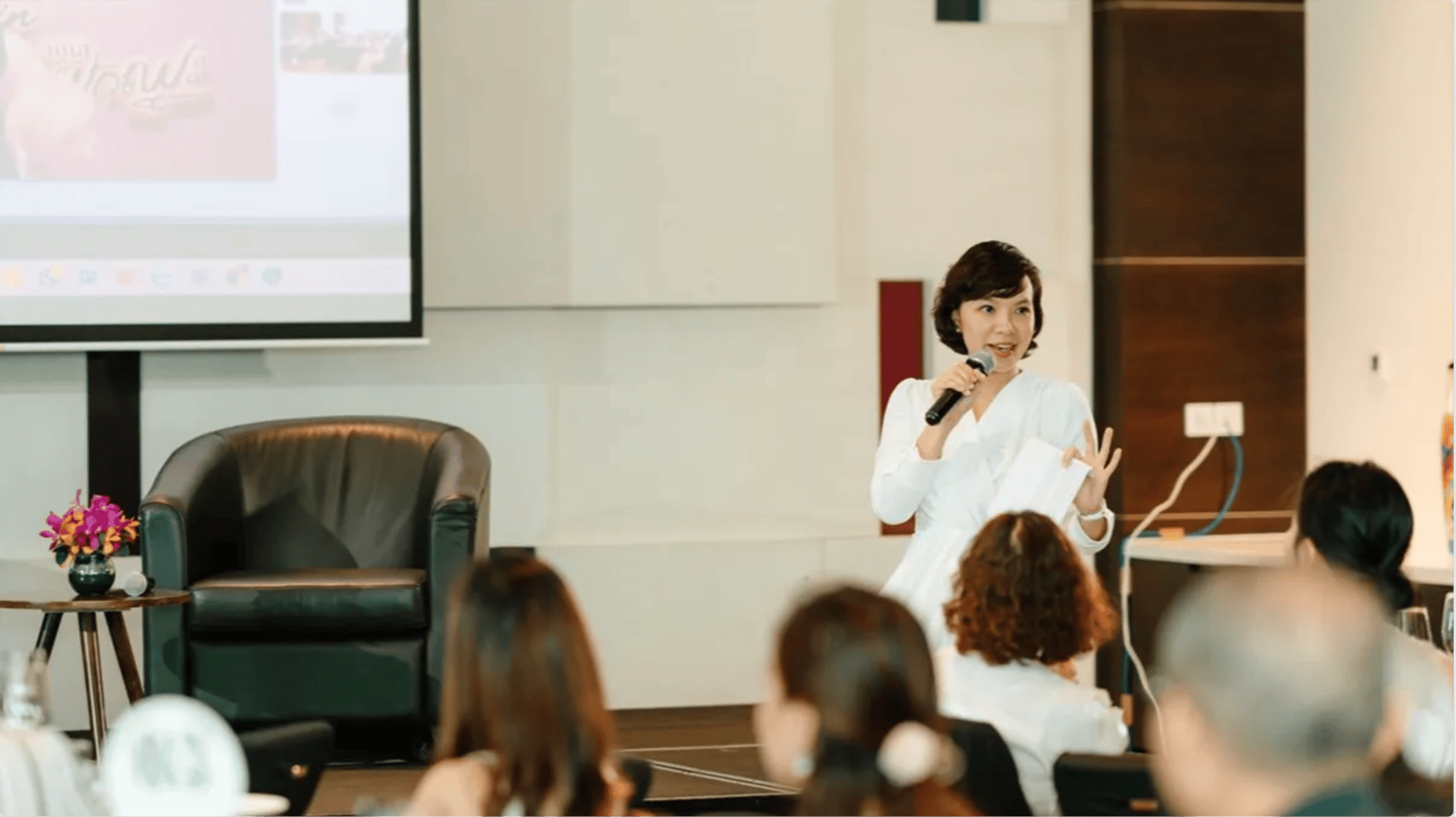
8. What makes Vietnam an exciting place to build together right now, for both local and global talent?
Vietnam is very dynamic. We have a hungry and curious population that always strives to try new things and surge ahead together. If you look at the macro indicators, all of them are positive. And at the action level — what is actually being done — the signs are equally strong.
There are serious conversations about making Vietnam a new center of Asia: from talent development to robotics, automation, and innovation. You're also seeing Vietnamese conglomerates going global and building brands beyond our borders. Those conversations are ongoing, and they energize me.
I founded JANUS at exactly the right moment. If there are people around the world thinking about coming to Vietnam — the time is now.
9. How do you see AI and the future of work evolving, and where do humans still create the most value?
It's here now, and it's changing the nature of work across every profession. Vietnam's vibrant economy and its eager population mean AI adoption is happening fast. The skillsets required are shifting.
But what remains irreducibly human is the ability to make genuine connections and form meaningful relationships. Creativity, human interaction, real collaboration — those are where human beings continue to add value. Things that require people to truly work together: that's where we still matter.
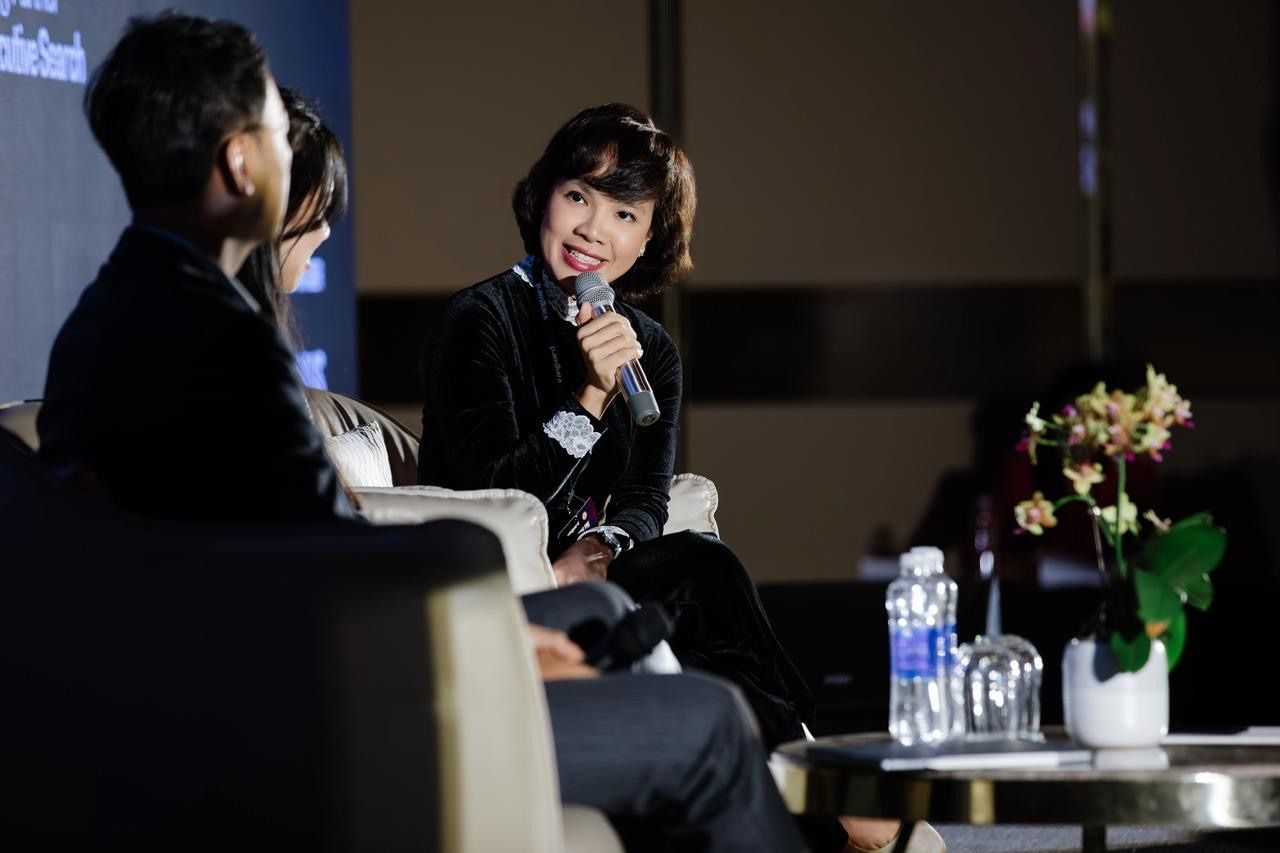
10. How should leaders think about their next chapter in a world full of options and noise?
At the senior level, it's often no longer about compensation. It's about what you want to create. The question I ask our candidates is: "What do you want to create in the next phase of your career?" Everything else flows from there — motivation, values, passion.
At that level, it comes down to impact and conviction. Does this opportunity allow me to make the impact I believe in? Does it align with what I stand for?
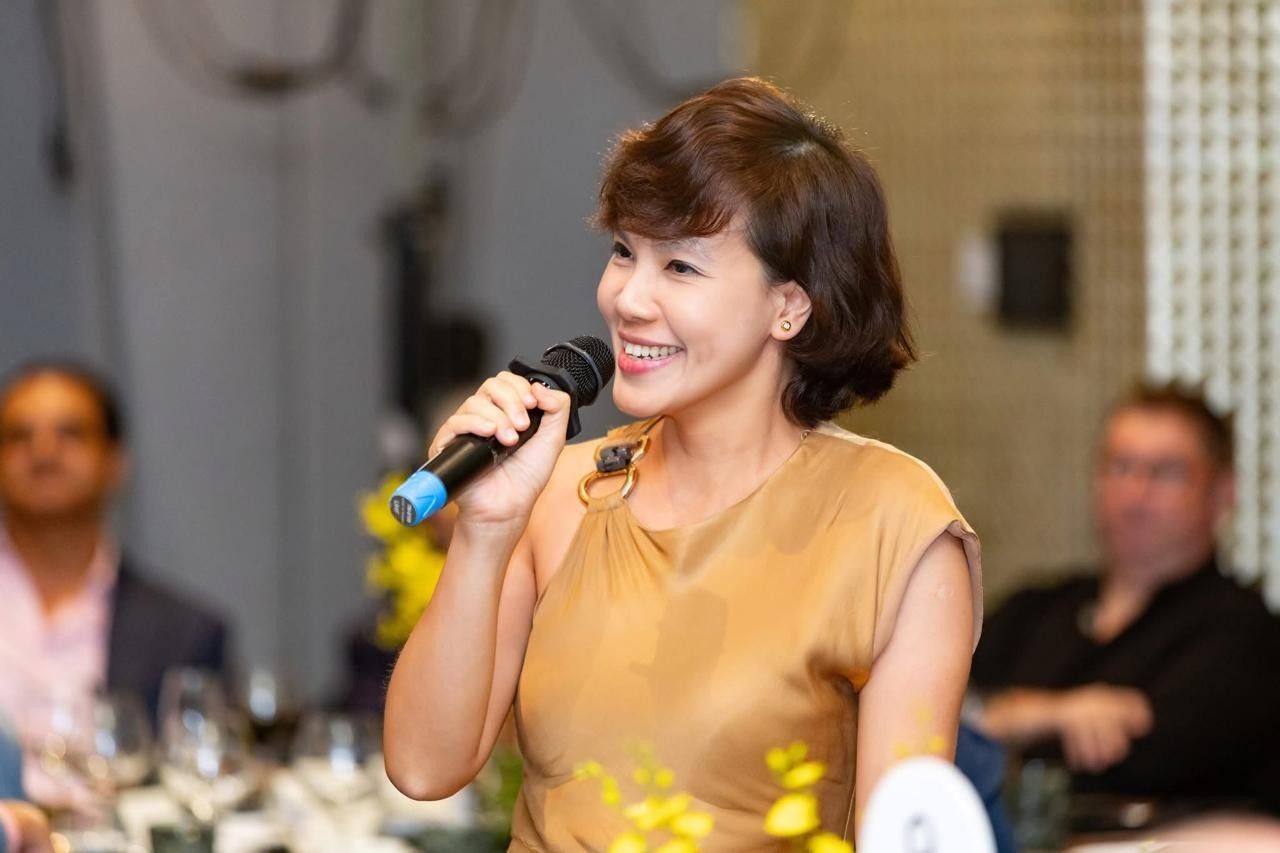
11. What’s your perspective on entrepreneurship in Vietnam?
You don't necessarily have to start something to call yourself an entrepreneur. You can bring that entrepreneurial spirit into an organization and help it scale from within. That's something we talk about a lot right now — the intrapreneur.
Vietnam has an extraordinary entrepreneurial spirit. About 97% of our economy is made up of SMEs. That energy to start things, to try things — it's remarkable. But what we also need are people who understand how to scale. That's the gap: not the courage to begin, but the tools and the mindset to grow.
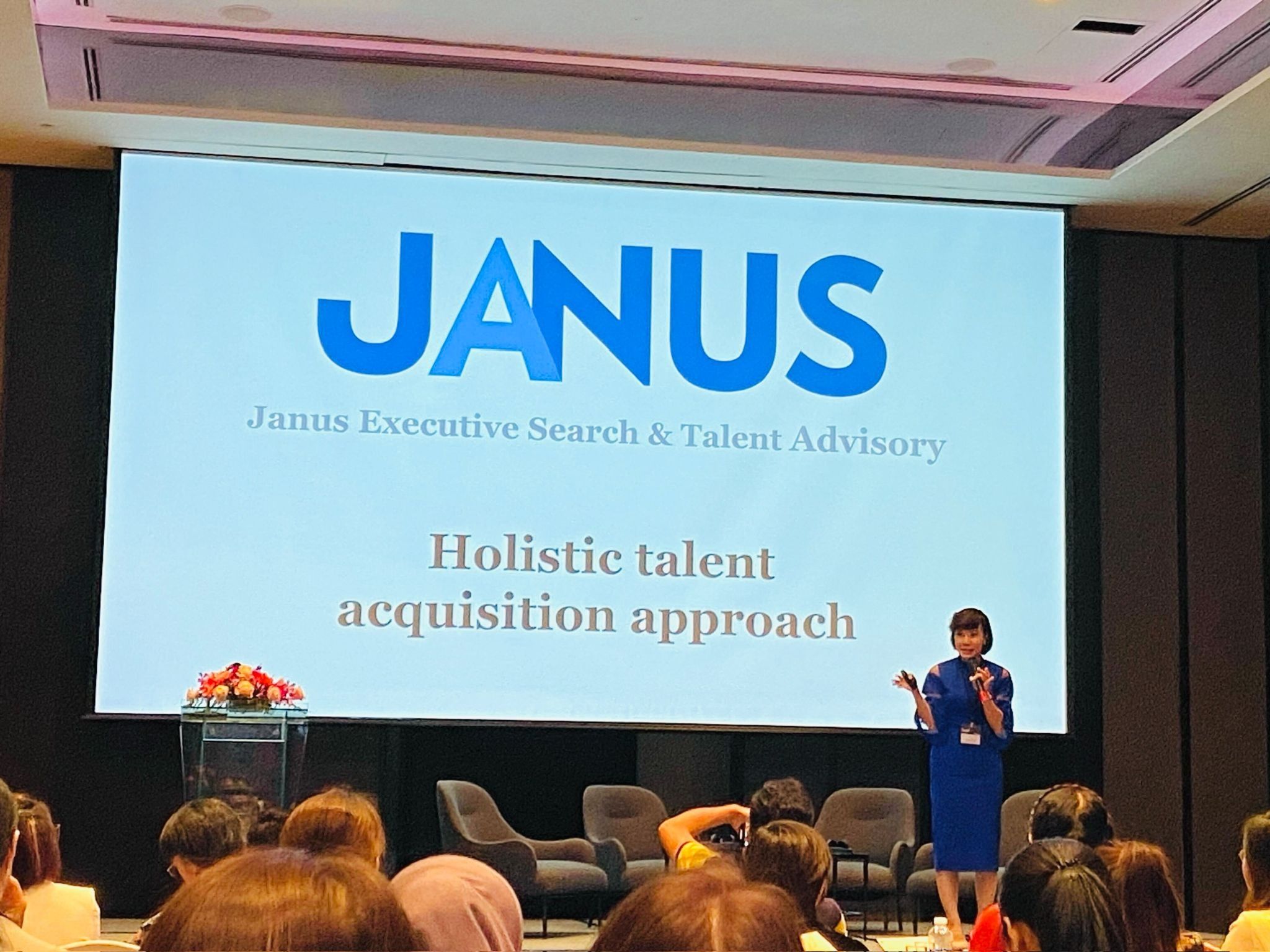
Part of why JANUS brings in global talent is precisely this: not just to fill roles, but to help transfer knowledge, coach Vietnamese leaders, and build the capacity to think longer and bigger.
12. Lightning Round
- A leadership book everyone should read?
→ “The Culture Map.” by Erin Meyer - One habit that changed your life?
→ “Dancing.” - A place that shaped you?
→ “Paris.” - A Vietnamese value you cherish most?
→ “Family.” - One word that defines leadership today?
→ “Authentic.”
Welcome Home
Empower Circles is 10 Nexus Global's editorial series spotlighting leaders, builders, and creators shaping the future across cultures.
We sit down with our community members at 10 Nexus to share their reflections and stories.
These are not just conversations about what our community members do — but reflections on who they are, what values they carry, and who they are becoming.
Across cultures and differences, we gather around stories. And somewhere in those conversations, we begin to recognize ourselves in one another — finding not only connection, but a familiar sense of home and belonging.